Breaking: Election Day is here! Make your selections: Cook County voters decide key state and federal races
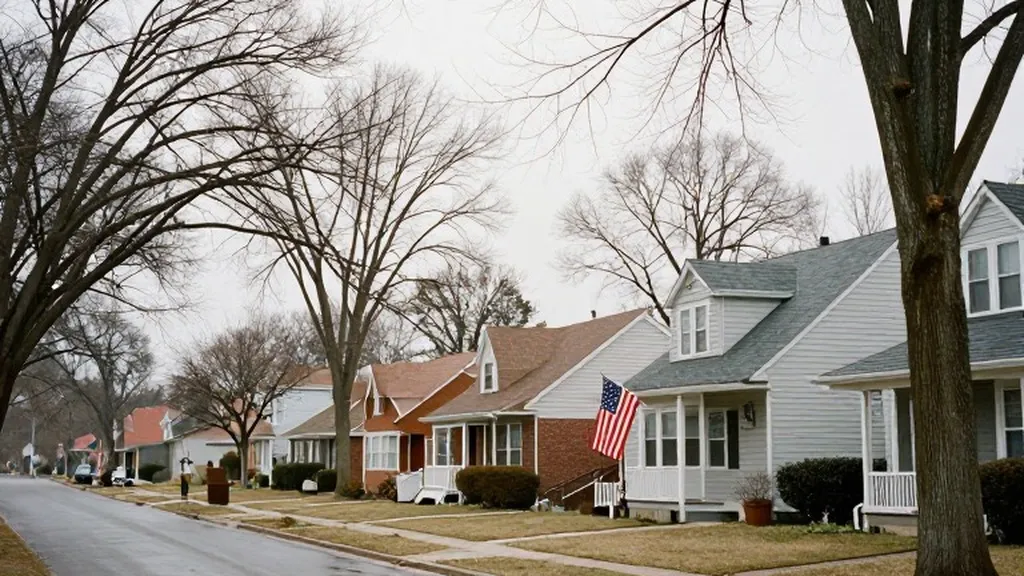
Voters across Cook County, including Chicago, Cicero, and Evanston, head to the polls today to decide Illinois's U.S. Senate race, the governor's office, and all congressional seats.
By Leila Mansour ·

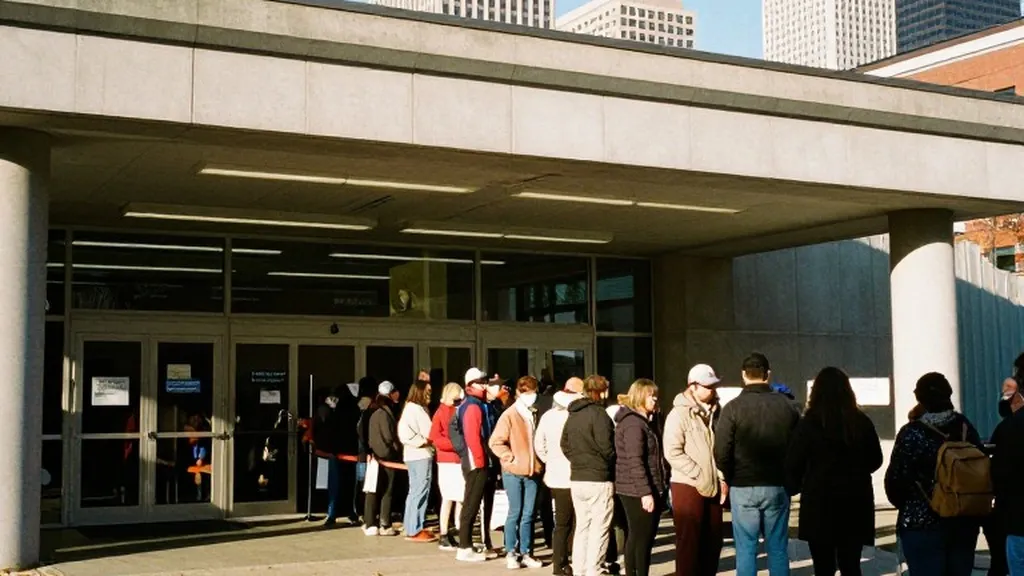
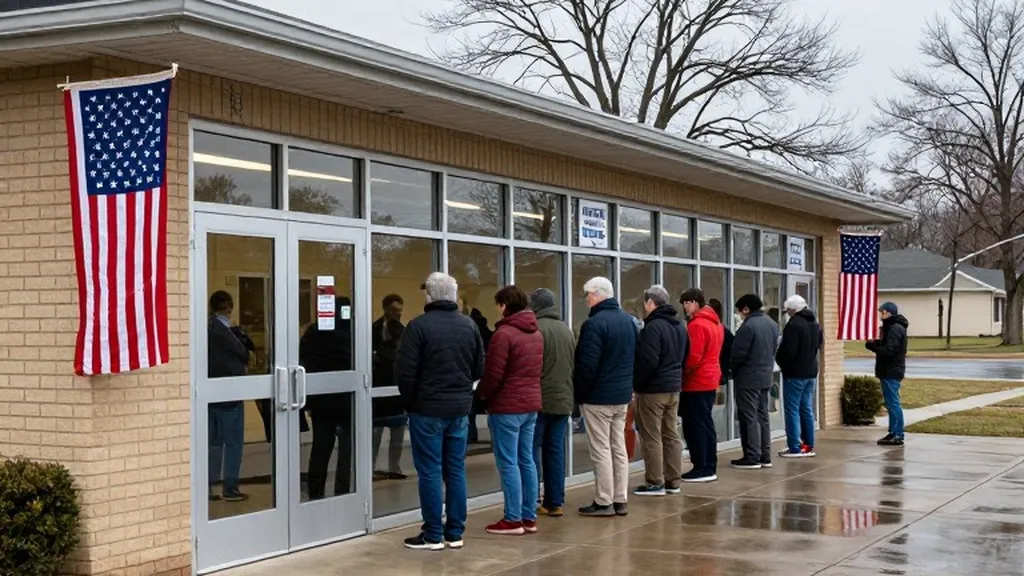
Polls opened at 6 a.m. today, Tuesday, November 3, 2026, and will remain open until 7 p.m. local time across Cook County. Residents in Chicago, Cicero, Evanston, Arlington Heights, Skokie, and Des Plaines are heading to the polls to cast ballots in a critical midterm election. This contest sits halfway through President Donald Trump's second term, and the results will determine which party controls Congress for his final two years in office. According to Ballotpedia, the state of Illinois has a U.S. Senate seat on the ballot, an open race with no incumbent running, as well as a race for governor where incumbent Democrat JB Pritzker is seeking re-election. Every U.S. House seat in the state is also up for grabs, along with various state and local offices and measures that vary by county.
Voters should confirm their specific polling location by visiting vote.gov or checking with their state election office. It is crucial to arrive before the polls close at 7 p.m., as anyone in line when the doors shut is legally entitled to cast a ballot. Identification rules vary by state, so citizens are advised to check Illinois specific requirements before heading out. The U.S. Postal Service has added extra hours, staff, and special lines to ensure mail ballots are counted on time, according to Reuters. In Illinois, the election is largely conducted in person, making the morning rush at local polling sites a significant part of the democratic process for the county's diverse communities.
Locally, the race for governor is a major focal point for Illinois voters. Incumbent Democratic Governor JB Pritzker is running for re-election, facing opposition from candidates of the Republican, Green, and Independent parties. According to Ballotpedia, these four parties are on the ballot for the executive office. This race is part of a nationwide contest for 36 governorships. Heading into the election, Republicans hold 26 governor's offices and Democrats hold 24. Of the offices currently on the ballot, each party holds 18. Democrats need a net gain of two governorships to achieve a nationwide majority, a status Republicans have held since 2010. This contest is particularly significant because a strong performance by Democrats could boost potential 2028 presidential candidates, including Pritzker himself.
The U.S. Senate race in Illinois is an open seat, meaning no incumbent is running for the position. According to Ballotpedia, the parties on the ballot are the Democrats and the Republicans. Nationwide, 35 of the 100 Senate seats are up for election, including 33 regular elections and two special elections for the remaining terms of Marco Rubio in Florida and JD Vance in Ohio. Republicans currently hold 53 seats, while Democrats hold 45, with two independents who caucus with the Democrats. For Democrats to secure a majority in the Senate, they need a net gain of four seats. Republicans can afford to lose only two seats to maintain their current control. The winners of these races will begin their six-year terms on January 3, 2027.
Voters in Cook County are also electing their representatives to the U.S. House of Representatives. All 435 seats in the House are up for election this year. Republicans currently hold 218 seats, Democrats hold 214, and there is one independent, with some vacancies remaining. Democrats require a net gain of three districts to achieve a majority in the House. Republicans can lose no more than two seats to keep their current status. According to Ballotpedia, 60 House incumbents are not running again, including 23 Democrats and 37 Republicans. The organization counts 46 battleground districts, with 25 held by Democrats and 21 held by Republicans. This high turnover and the competitive nature of these districts make the outcome in Illinois a key indicator of the national trend.
Nationally, the Associated Press describes this election as a referendum on President Trump's second term. The AP notes that voters are struggling with high prices and are angry over an unpopular war with Iran. According to AP-NORC polling, 35% of U.S. adults approve of Trump's job performance, while only 25% approve of his handling of the economy. About seven in 10 Americans say the country is heading in the wrong direction, and most blame the president for high prices. More than 57 million people had already voted as of Monday, surpassing the early vote of four years ago in many closely watched states. This high level of early voting suggests a strong turnout for the in-person voting taking place today in Illinois and across the nation.
Republicans are bracing to lose the House and are fighting to hold the Senate. The AP reports that one or two seats could tip the balance in either chamber. Democrats are described as cautiously optimistic about their chances. President Trump has held dozens of rallies to support his party's candidates, ending his recent schedule in Salina, Kansas, where he told the crowd, I really want you to pretend I'm on the ballot. Many Republican candidates have kept their distance from the president during this campaign. Trump has also continued to make claims about voting fraud, including that noncitizens vote in large numbers, which has led to legal battles in states like Alaska and California.
The 2026 elections are likely to be the most expensive in history. According to AP analysis of AdImpact data, Republican committees outraised and outspent Democratic committees, aided by Trump-affiliated groups and Elon Musk. However, at the candidate level, Democrats outraised their opponents. 88.1% of Republican general election TV ad spending went to states and districts that Trump won in 2024. This includes more than $850 million spent in areas where he won by 10 points or more. RNC Chairman Joe Gruters stated that everything depends on turnout, adding that if they turn out their voters, they win. DCCC Chair Rep. Suzan DelBene countered that the American people are angry and want change, highlighting the competing narratives driving voter motivation.
If Democrats win even one chamber of Congress, investigations and possible impeachment proceedings are likely to follow. House Democratic Leader Hakeem Jeffries would become the first Black speaker of the House and has outlined a 100-day agenda focused on the cost of living and oversight. A strong Democratic night would also boost potential 2028 candidates like Gavin Newsom and Pete Buttigieg, while complicating the path for Vice President JD Vance. Republicans tried to beat the typical midterm pattern, where a president's party usually loses seats, through redistricting. However, new districts in states like Florida may not vote as drawn, adding uncertainty to the final outcome.
Administration of the election has seen some legal challenges. A federal judge temporarily barred the Trump administration from carrying out a plan to prevent noncitizen voting on Monday. Critics argue this plan risks disenfranchising eligible voters and infringes on state authority. Another judge ordered the administration to stop demanding that California election officials segregate ballots cast by people on lists of suspected noncitizens. The U.S. Postal Service has also worked to ensure timely counting of mail ballots. Wall Street is watching the results closely, with Reuters noting that the outcomes could add to investor concerns about AI spending and debt ceiling negotiations.