2026 Toyota 4Runner Hybrid Debuts With 326 Horsepower
The new SUV pairs a turbocharged engine with an electric motor, delivering off-road capability and improved fuel efficiency for a base price of $58,570.
By Leila Mansour ·
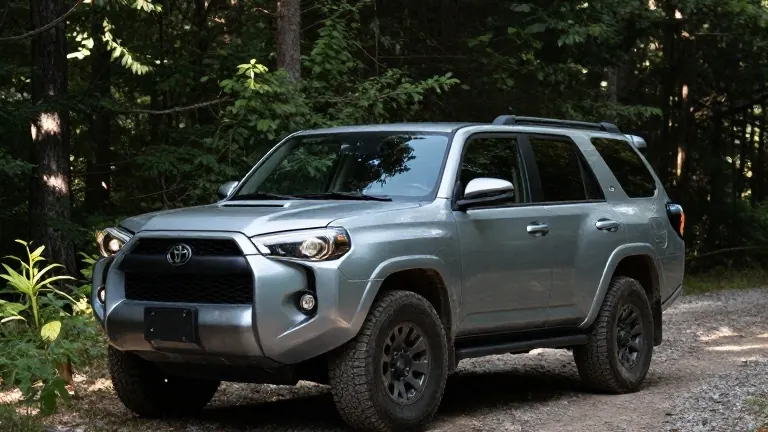
Toyota has introduced the 2026 4Runner Hybrid, a body-on-frame sport utility vehicle designed to combine off-road hardware with a modern powertrain. The new model targets drivers who seek adventure capability alongside everyday utility, marking a shift for the SUV line which has historically focused on raw utility over refined commuting.
The vehicle is powered by the i-FORCE MAX system, which pairs a turbocharged 2.4-liter four-cylinder engine with an electric motor. This combination produces 326 horsepower and 465 pound-feet of torque. The electric motor provides immediate torque for acceleration, while an 8-speed automatic transmission manages power delivery. The hybrid setup improves fuel efficiency over the conventional gasoline model, with EPA ratings of 23 miles per gallon in the city, 24 on the highway, and 23 combined.
The drivetrain includes a part-time four-wheel-drive system with a two-speed transfer case. Drivers can switch between high and low range gearing for off-road conditions or operate in two-wheel drive on dry pavement. The vehicle features 18-inch alloy wheels and full-size running boards. A full-size spare tire is standard, replacing the temporary spare found in many modern SUVs.
Several optional packages are available for the 4Runner Hybrid. Multiple skid plates cost $1,200 and protect underbody components from debris. The Stabilizer Disconnect Mechanism is priced at $1,230, allowing drivers to electronically disconnect the front stabilizer bar for better wheel articulation on uneven terrain. Prewired auxiliary switches are available for $400, facilitating the installation of additional lighting and electrical accessories. A power moonroof adds $850 to the vehicle cost.
Inside, the cabin features durable materials and an upright dashboard layout. An 8-inch touchscreen is standard, with a 14-inch display available as an option. Both include wireless Apple CarPlay and Android Auto connectivity. Physical knobs and switches remain for frequently used functions. The rear seats offer practical space for passengers, though legroom is limited compared to some crossover rivals.
The cargo area provides substantial space behind the second row for gear and groceries. The load floor is relatively high, requiring more effort to lift heavy items. The hybrid system affects packaging, preventing the rear seats from folding into a completely flat load floor. The 2026 4Runner Hybrid starts at $58,570. The final sticker price for the tested vehicle, including options and delivery, was $65,635.
Toyota has maintained a strong reputation for reliability with the 4Runner. Consistent demand for used models has supported resale values over time. The vehicle's truck-based construction prioritizes durability and off-road capability over the smoother ride associated with many crossover SUVs.
More Business · Cicero news · Consumer Alerts · Report a business · Got a Story?