73 Senators Vote to Advance Bill Stripping State Water Rights
The Bipartisan American Affordability and Jobs Act, advancing with a 73-25 margin, shifts control of dam permits and environmental reviews from federal agencies to private developers.
By Leila Mansour ·

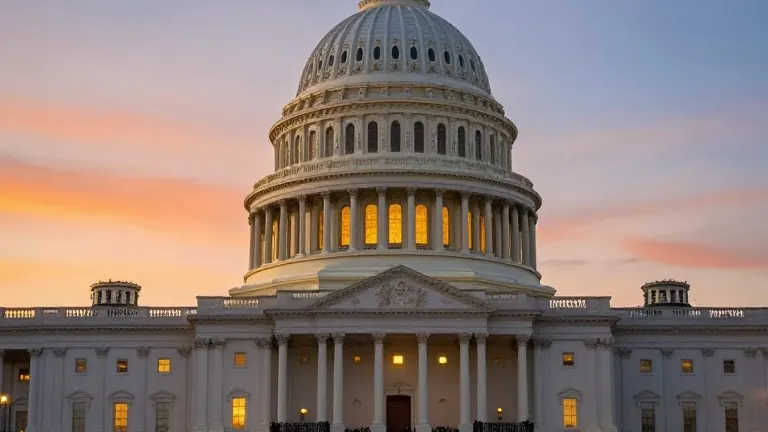
Seventy-three senators voted on Thursday to advance the Bipartisan American Affordability and Jobs Act, a 494-page bill that would restructure federal permitting rules for energy and infrastructure projects. The vote, conducted during a lame-duck session, moved the legislation forward without a public hearing, committee markup, or formal report.
The bill, known by its acronym BAAJA, targets three major areas of federal law: the Clean Water Act, the National Environmental Policy Act, and the National Historic Preservation Act. Proponents argue the changes are necessary to speed up construction for power projects and transmission lines. Critics call it a dismantling of protections established over the past five decades.
Under current law, Section 401 of the Clean Water Act allows states to set conditions on dam licenses. These conditions often include minimum water flows to prevent rivers from drying up and to support fish populations. The new bill strips states of this authority and transfers control to dam owners. This shift moves regulatory power from local governments to private corporations.
The legislation also alters the National Environmental Policy Act, which currently requires federal agencies to review alternatives for major projects funded by taxpayers or requiring federal permits. These reviews must consider options such as not building the project or removing existing dams. BAAJA would allow developers to veto alternatives they do not like. It would also permit agencies to ignore new scientific data released after a review has begun.
Public legal challenges would face tighter deadlines under the new rules. The window for citizens to sue over environmental reviews would shrink from several years to 150 days. The bill would also limit which parties are eligible to file these lawsuits. These changes aim to reduce the time and cost associated with legal disputes over project approvals.
Tribal consultation requirements would become discretionary rather than mandatory. Section 106 of the National Historic Preservation Act currently requires the federal government to consult with Native American tribes when a project may affect sacred sites. The bill makes this consultation optional at the developer's discretion. The National Congress of American Indians and ten other Indigenous organizations have requested that Congress halt the bill, citing risks to tribal sovereignty and sacred lands.
Section 1401 of the bill introduces a permanent lock-in mechanism for permits. Any permit issued on or after November 6, 2026, would be difficult for future administrations to revoke, suspend, or modify. This provision would protect long-term licenses, such as those for dams spanning 30 to 50 years, even if new science reveals environmental damage or if a tribe proves the destruction of a sacred site.
The bill grants the Federal Energy Regulatory Commission, or FERC, expanded powers to override state decisions. FERC could step in if a state denies a project of a certain size, fails to act within one year, or imposes conditions deemed untenable. The legislation also hands developers federal eminent domain powers while repealing a specific energy corridor requirement. It deletes the law guaranteeing landowners fair market value plus severance damages for taken property.
Collin Duprel, a guest columnist for the Rapid City Post, described the bill as "legalized larceny." He argued that while the nation needs faster construction for power and jobs, the current approach silences tribes and strips states of water rights. The vote reflects a bipartisan effort to pass large-scale economic legislation, with 25 senators voting against the measure.