Ankle monitor use surges in Chicago
A Guatemalan asylum seeker describes the anxiety of living with a GPS tracker as local enforcement numbers climb.
By Leila Mansour ·
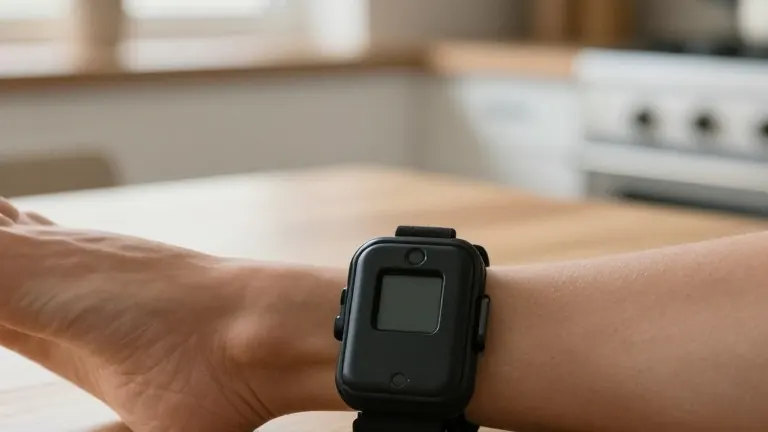
Liz, a Guatemalan asylum seeker, wakes up in a panic when her ankle monitor vibrates.
The buzz signals a possible malfunction or tampering. It reminds her that immigration agents could arrive at any time to take her to a detention center. ICE agents told her they would find her quickly because they know where she is.
Her family’s situation changed last August during an unexpected check-in. Agents took her husband into custody. They fitted Liz with an ankle monitor and released her with her 15-year-old daughter. Neither spouse has a criminal record.
The family arrived in the United States from Guatemala in 2024. They followed every step of the asylum application process. Liz asked the agents why they were detained, adding that she had done nothing wrong.
Government data shows more than 53,000 noncitizens nationwide wore ankle monitors in 2026. This number is more than triple the count from 2024. The Department of Homeland Security operates the Alternatives to Detention program. It uses these devices to track people released from immigration custody.
A local analysis found ICE’s Chicago field office issued nearly 3,800 ankle monitors this year. That is a nearly 40% jump since 2024. The office oversees immigration enforcement in Illinois, Indiana, Wisconsin, Missouri, Kentucky, and Kansas.
Immigration advocates worry about the mental health impact of constant surveillance. Lauren Hodges, a senior attorney with Amica Center for Human Rights, says many compliant individuals with strong community ties are now shackled with the devices. Her group filed a class action lawsuit. It argues the administration requires monitors without proper justification.
The lawsuit claims the devices cause health problems such as high blood pressure, anxiety, and depression. The Trump administration issued an internal directive last year telling agents to use monitors whenever possible. Homeland Security defended the program as a cost-efficient way to ensure compliance with release conditions.
Liz says the device is bulky and uncomfortable. It limits what she can wear, forcing her to choose long dresses to hide the monitor from others. She finds the shame devastating. During the August check-in, agents discussed putting a monitor on her teenage daughter. Federal guidelines restrict tracking devices on minors. The girl cried, worrying she could not play flag football at school.
Agents ultimately let the teen go without a device. Liz has managed her family’s life since her husband’s arrest. Her husband worked as a scrap metal collector, and she cleaned homes. They fled violence in Guatemala and built a life in Chicago.
In late October, Liz received a message to report for another check-in. A technical glitch had stopped her monitor from sending location data. She brought a pro bono attorney to the appointment. Her daughter cried as she left the house, fearing her mother would not return.
The check-in went smoothly. Officials adjusted the device and told Liz she must wear it for a year and a half of full compliance. After that, she may move to a phone-based check-in app. The cost of the technology rose from roughly $25,500 per day in 2022 to more than $145,000 in 2026.