Brin and Silicon Valley leaders spend $425m to block California wealth tax
Tech executives defeated Proposition 40 and passed a ban on billionaire wealth taxes, outspending union-backed supporters nearly 14 to 1.
By Marco Alvarez ·

California voters rejected a one-time 5% tax on billionaire wealth and passed a separate measure banning such taxes, ending the state's latest attempt to levy a fee on the ultra-wealthy. The result, driven by a massive advertising campaign funded largely by Silicon Valley executives, leaves the state's healthcare funding gap unfilled by this specific mechanism.
Google co-founder Sergey Brin was the largest financial backer of the opposition effort. With a personal net worth of approximately $230 billion, Brin contributed at least $132 million to the cause. His donation was more than double that of the second-largest donor, former Google CEO Eric Schmidt, who gave over $48 million. Other major contributors included executives from Palantir, DoorDash, Stripe, and Reddit, along with prominent venture capitalists.
According to campaign finance filings, these donors raised nearly $425 million in total. This figure marks the most expensive opposition campaign in California state history. The funds were deployed over the final month before the election, paying for high-production television ads and mailers. The messaging focused on warning voters that the tax was dangerous and would negatively impact everyday people, using slogans such as "everyone tax" and "you're next."
The campaign supporting Proposition 40, backed by the union SEIU-United Healthcare Workers West, raised just over $31 million. This created a spending disparity of nearly 14 to 1 against the opposition. Suzanne Jimenez, the chief of staff for SEIU-UHW, noted that the billionaire-funded propaganda might mislead voters temporarily. She stated that as hospitals reduce services and emergency rooms close, the consequences of the funding cuts would become harder to hide.
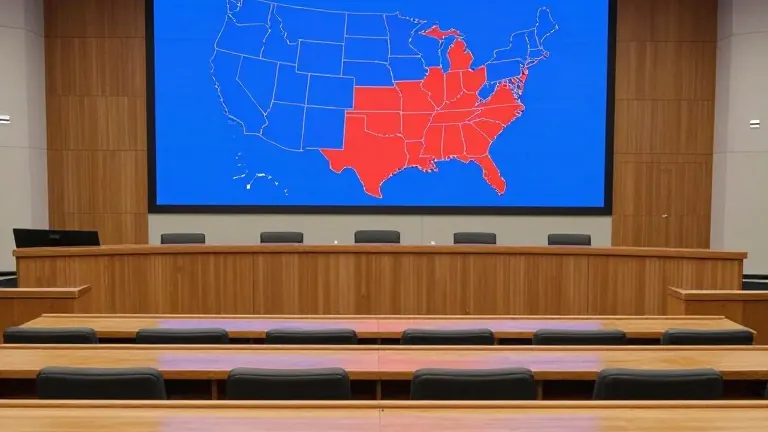
The vote split along geographic and demographic lines. Counties that passed the tax measure, including Los Angeles and San Francisco, are typically more Democratic and home to many of the state's wealthy residents. Conversely, the counties that voted overwhelmingly against the measure were mostly red, rural, and poorer. In some of these rural areas, up to 80% of voters rejected Proposition 40, even as they swung blue in U.S. House races.
Political leaders on both sides of the aisle had opposed the specific tax structure. Governor Gavin Newsom and Governor-Elect Xavier Becerra both voiced opposition to the measure. The proposal was designed to address healthcare funding losses resulting from the federal One Big Beautiful Bill Act. Opponents argued the tax would make healthcare funding worse, while supporters maintained it was a necessary response to federal cuts.
Rob Lalka, a business professor at Tulane University, compared the current spending to the 2020 ballot measures involving Uber and Lyft. Those companies spent over $200 million to defeat a driver labor rights initiative. Lalka described the tactic as misleading propaganda and paid endorsements. He observed that money in California politics has increased throughout the decade, setting the context for the current election cycle.
Francesco Trebbi, a public policy professor at the University of California, Berkeley, noted that record-breaking funding has become common in national politics. He cited Elon Musk's $446 million contribution to House and Senate races as a parallel. However, Trebbi suggested that separating the Proposition 40 fight from the president's agenda may have made the opposition's job easier. He added that more data is needed to conclusively determine the long-term effects of such spending.
Exit polls for the specific proposition have not yet been released to provide detailed insights into voter decision-making. Despite the defeat, union leaders indicated they intend to continue the effort. Suzanne Jimenez said that if the state legislature fails to protect patients or implement a solution requiring billionaires to pay their fair share, healthcare workers will return to the ballot box in 2028.