Chronic stress reshapes bodies, while Michigan man greets town with daily thumbs-up
A new broadcast examines how long-term stress affects health and profiles a 78-year-old Eaton Rapids resident who shares a simple gesture with neighbors.
By Andrew Hayes ·
Chronic stress alters physical health when individuals cannot stop the physiological response to pressure. Dr. Rhea Rogers, a board-certified physician, defined this state as occurring when a person cannot turn stress off. The condition moves beyond temporary annoyance to become a persistent biological load on the system.
Health experts on the program Aging Untold identified specific markers for this state. They promoted two techniques to help calm the body: box breathing and the SEEDS method. These interventions aim to lower the physical toll of ongoing tension. The show also noted that older adults returning to college face unique challenges and rewards. Gerontologist Sam Cradduck described later-life education as a form of personal enrichment. Dr. Rogers added that learning new subjects helps establish neuroplasticity in the brain.
The broadcast also covered ketamine infusion therapy, a treatment some medical professionals recommend for patients who find traditional pain management ineffective. Elanor Koch of Nebraska shared her experience with the therapy. A tumor had eroded and compressed her spinal cord by more than 60%. She often woke up in pain, and flare-ups kept her in bed for days. After receiving six treatments in one month, she reported substantial improvement in her condition.
Doctors caution that ketamine infusion is not suitable for everyone. Patients with certain medical histories may be poor candidates. These exclusions include schizophrenia, uncontrolled high blood pressure, heart disease, kidney or liver disease, and substance use disorder. The therapy serves as an option for those who have exhausted other methods but require careful screening to ensure safety.
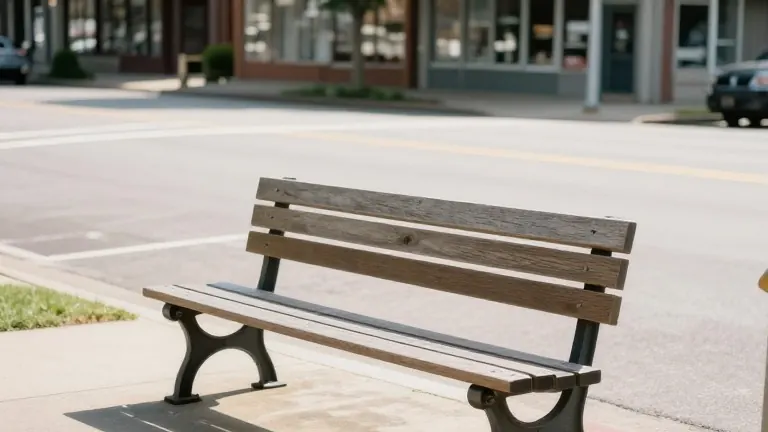
In Eaton Rapids, Michigan, 78-year-old George Doxtader sits on a bench at the corner of State and Main streets on most days. He greets passersby with a thumbs-up. This small act has become a familiar ritual for the local community. Doxtader has lived with paralysis on the right side of his body since suffering two major health events decades ago. He sometimes experiences difficulty speaking, yet he maintains his cheerful presence on the street corner.
Pastor Jenny Rouble of First Congregational Church described Doxtader as a friend and a blessing to the area. She noted that seeing his smiling face and his thumbs-up makes residents happy. The community looks forward to seeing him. His daily routine provides a consistent point of connection for neighbors walking through downtown Eaton Rapids.