Florida's $4.5 Billion Voucher Program Faces Funding and Oversight Challenges
New Republican legislative leaders vow to improve accountability for school vouchers as district budgets shrink under enrollment pressure.
By Aiko Sato ·
New leadership in the Florida Legislature has placed the state's massive school voucher program at the center of its early agenda. The tension lies in balancing the program's rapid growth with the need for stricter financial controls and the resulting strain on public school district budgets.
The program currently provides taxpayer-funded scholarships to more than 500,000 students. Following a 2023 legislative vote to expand eligibility to all K-12 students, the cost is projected to reach $4.5 billion this year. Both Republican and Democratic lawmakers have called for greater oversight due to accountability issues identified in recent reviews.
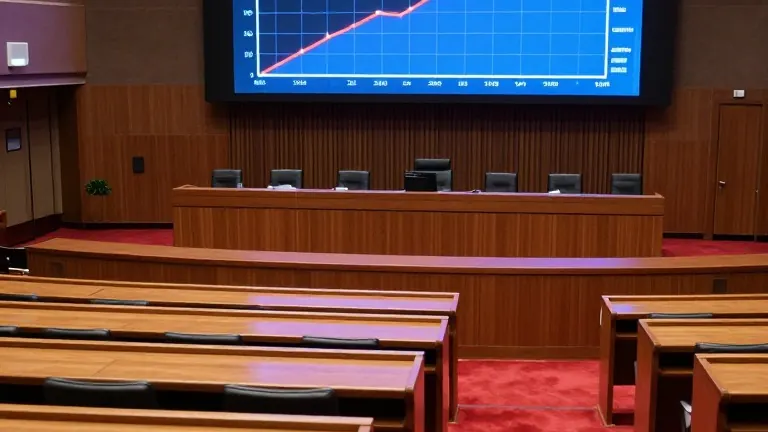
House Speaker Sam Garrison and Senate President Jim Boyd formally assumed their leadership roles on Tuesday during the legislative organizational session. Garrison stated he is open to reviewing how the program operates to achieve better results. He emphasized that his priority is maintaining choice and competition while ensuring money follows the student.
Garrison noted that he was not ready to announce definitive plans on the first day of his tenure. He linked the goal of quality schools to the need for consistent funding. The House and Senate leaders indicated they work well together, a sentiment echoed by Sen. Don Gaetz, who described the new presiding officers as principled conservatives and pragmatists.
The push for better tracking of voucher funds gained momentum earlier this year after an audit revealed overspending and misappropriated funds. The audit also cited difficulties in tracking students who received scholarships. In response, the Senate passed a bill, SB 318, aimed at improving fund management and student usage reporting.
That bill did not advance in the House. A primary point of contention was the proposal to separate scholarship funds into a distinct category within the Florida Education Finance Program, or FEFP. House leaders argued that separating the funds would place the program at risk. Gaetz, who sponsored the bill, said he intends to file similar legislation again.
Gaetz is currently consulting with House colleagues, including those in Garrison's office, to refine the proposal. He argued that mixing voucher money with general education funds makes it difficult to verify that resources reach the intended schools and students. His goal is to establish clear accountability for these funds.
The expansion of vouchers has coincided with record-low birth rates, leading to declining enrollment in many public school districts. Since FEFP funding is largely tied to enrollment, these declines have forced budget cuts. In Hillsborough County, the district plans to close three schools for the 2027-2028 academic year.
Other districts face similar pressures. Orange County closed seven schools in May. The Escambia County School District is considering closing five schools to balance its budget. Governor-elect Byron Donalds has indicated plans to alter how FEFP funds public schools to grant districts more spending flexibility.
Donalds told the News Service of Florida that he wants to allow districts to determine how they pay teachers and allocate programming resources. He attended the swearing-in ceremonies for both legislative chambers on Tuesday.