Gulf Coast: Historic SS United States to Become Artificial Reef
The nearly 900-foot vessel is being sunk off Destin, Florida, after a long tow from Philadelphia, despite a recent lawsuit by a conservation group.
By Matthew Brooks ·
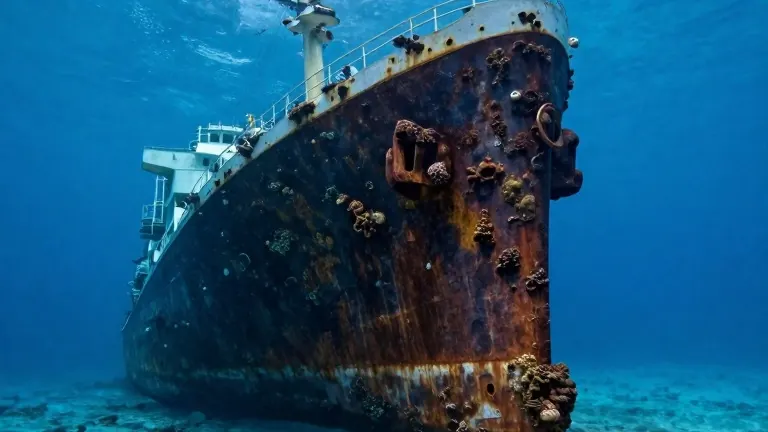
Residents and tourists near Destin, Florida, are set to watch a historic vessel settle onto the ocean floor this week. The SS United States, a ship built in the early 1950s, is scheduled to be deliberately sunk on November 12, weather permitting. The project aims to create the largest artificial reef in the world in the Gulf of Mexico.
The ship, which is nearly 900 feet long, spent decades docked in Philadelphia before moving to the Gulf Coast. Alex Fogg, the natural resources chief for Okaloosa County, explained that the vessel was towed from Philadelphia to Mobile, Alabama. In Mobile, the ship underwent full remediation to prepare it for its final journey. Fogg noted that the move required extensive checks with contractors, naval architects, and the U.S. Coast Guard to ensure the ship was seaworthy for the long tow.
Okaloosa County acquired the vessel to expand its artificial reef program. Fogg stated that divers often seek out specific wreck sites rather than natural reefs or sandy bottoms. By deploying large, historic ships, the county hopes to establish itself as a premier dive destination. The SS United States was selected because of its size and its storied past as a transatlantic liner and potential troop carrier.
The ship’s new role has not been without controversy. A nonprofit conservation group filed a lawsuit last week to stop the sinking. The group cited concerns about the environmental impact, specifically the potential harm to marine organisms and the food web that could affect human consumption. Fogg acknowledged the ship has a passionate following and that many wanted to see it restored as a museum or returned to service.
Fogg argued that no viable plan or funding existed for restoration. He described the decision as a way for the county to save the ship from the scrap yard by giving it a second life underwater. He pointed to regulatory agencies that oversee the cleaning of artificial reefs to ensure they meet federal and state standards. Fogg said all necessary boxes have been checked for this project.
The sinking is designed to benefit both tourism and the environment. Fogg noted that placing structures in areas without natural reefs provides a significant benefit to marine life. He described the experience of diving these sites as unique, with every dive offering different sights of fish and growth on the reef. The county expects the wreck to serve as a long-term anchor for the local dive community.
The public can view the sinking online on Thursday, November 12. The event marks the end of the ship's surface career and the beginning of its underwater phase. The SS United States will join other wrecks in the area, forming a network of artificial reefs that support marine biodiversity and recreational diving. The process involves careful monitoring to ensure the ship settles as planned.