Portland caps Willamette River fuel storage at 600 tanks
New ordinances mandate a reduction in stored fuel by 2036 to mitigate earthquake risks in the St. Johns district.
By Aiko Sato ·
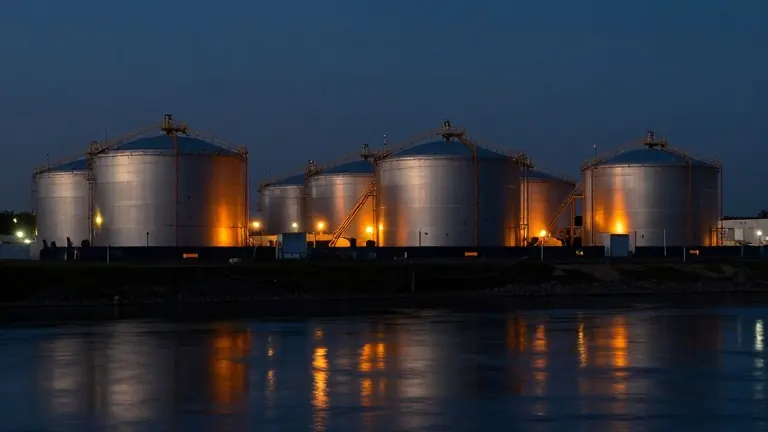
More than 600 bulk fuel tanks currently sit along a six-mile stretch of the Willamette River, and Portland officials voted on Wednesday to cut that total. The city council approved two ordinances governing the Critical Energy Infrastructure Hub, a zone near the St. Johns Bridge that distributes liquid fuel across Oregon.
The primary driver for the regulatory shift is geology. The land hosting the tanks is susceptible to liquefaction during major seismic events. Councilor Elana Pirtle-Guiney noted the safety concern, stating, "The real solution here is ultimately moving storage to a place that is not the least safe place in our state to store this fuel."
The new rules aim to protect public health by lowering the volume of stored combustible materials. However, the logistics of replacing this capacity remain unresolved. Oregon lacks domestic refineries, which has prompted concerns about potential fuel shortages during emergencies if local storage drops too quickly.
The city has set a specific deadline for the reduction: the total amount of fuel stored at the Hub must decrease by 2036. No schedule exists yet for physically relocating the infrastructure to a different site.
The vote marks the formal adoption of the policy framework, but the financial and operational costs of compliance will fall to the operators who manage the distribution network. The ordinances establish the target reduction without dictating the specific mechanism for how the remaining tanks will be managed after 2036.
More Business · Consumer Alerts · Report a business · Got a Story?