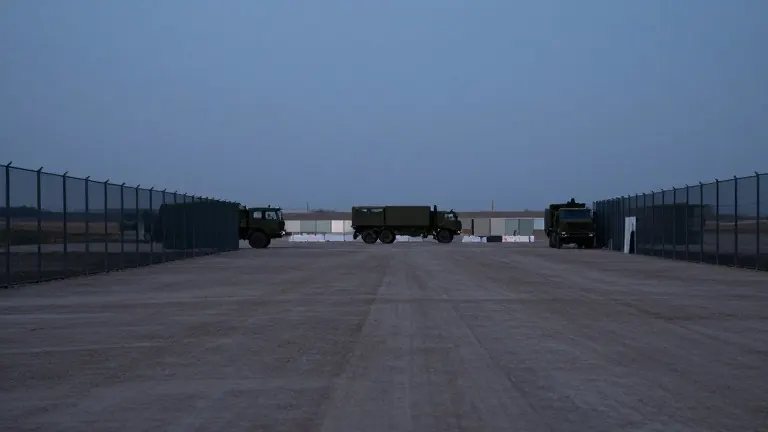
Court allows Iowa ammunition blast to proceed despite environmental challenges
A federal appeals court has authorized the Army to detonate degraded explosives in Iowa, ending a legal bid to block the emergency permit.
By News Media House Staff ·
A federal appeals court issued an order on Monday permitting the U.S. Army to proceed with a controlled detonation of degraded explosives at an ammunition facility in Iowa. The ruling overturned a legal challenge brought by environmental groups that had sought to block an emergency federal permit for the operation.
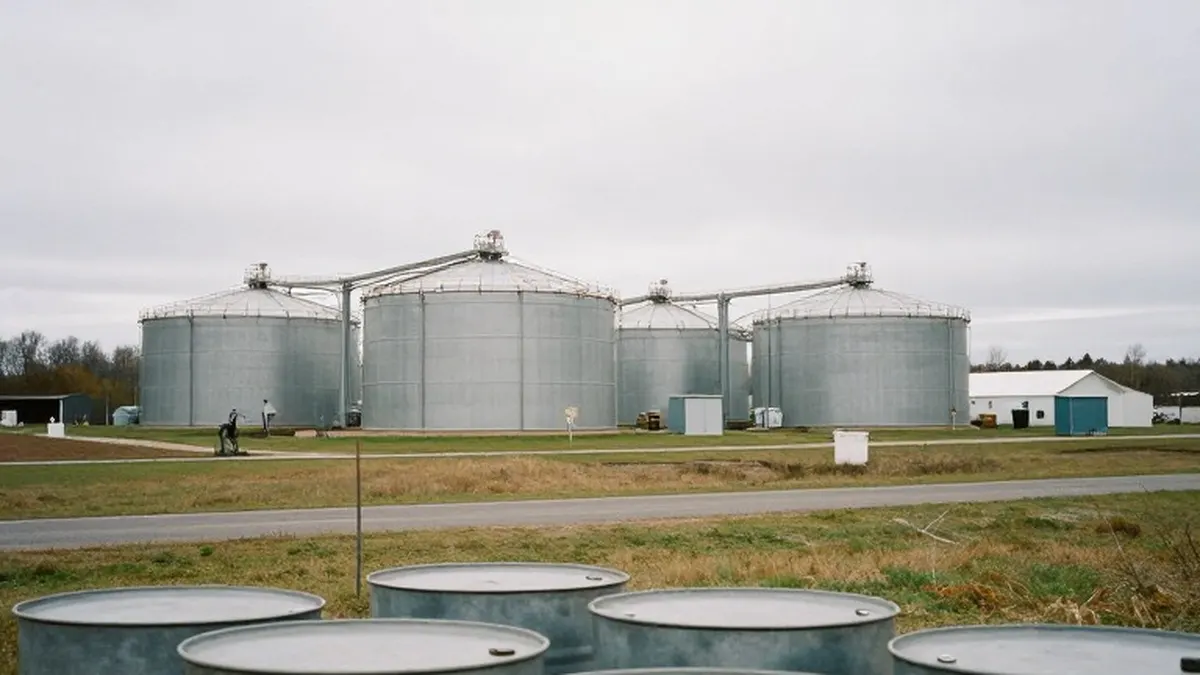
The decision clears the path for the Army to destroy approximately 68 barrels of lead azide at the Iowa Army Ammunition Plant in Middletown. This facility is located near the border with Illinois. The detonation is currently scheduled to take place on Wednesday.
A three-judge panel from the 8th U.S. Circuit Court of Appeals denied the request to pause the process. While the judges acknowledged the significant risks associated with the planned blast, they emphasized the danger of leaving the degraded material in place. The court noted that an uncontrolled explosion could occur without the safety protocols established by the permit.
The ruling stated that while the risks of the Army's plan are real, the degraded explosives present an even greater threat of a spontaneous and unplanned explosion. The judges concluded that the safety measures outlined in the permit offer a necessary benefit in mitigating these dangers.
The blast was originally set for November 20 but has been postponed three times. These delays were driven by regional concerns regarding potential health and environmental impacts. Additionally, local communities criticized the government for failing to adequately communicate the potential risks associated with the operation.
The Iowa Department of Health and Human Services warned that the detonation is expected to generate a dust plume containing lead particles. Lead is a toxic metal known to cause serious health effects. The agency explained that breathing in these particles or coming into contact with lead dust deposited on surrounding surfaces could pose health risks to nearby residents.
The Army has argued that the risk of the material detonating on its own has increased as temperatures drop. The explosive compound has been stored for more than two decades and has degraded to the point where moving it is considered too dangerous. The military maintains that the current conditions make a controlled blast the safer option.
President Donald Trump stated in a social media post on Monday that he had instructed the Army to wait for the court's decision. He indicated that the final decision would be subject to Iowa's Democratic Governor-elect, Rob Sand, who is scheduled to take office in January. Trump warned that further delays could result in a large, spontaneous explosion.
Following the court ruling, Governor-elect Rob Sand posted on social media late Monday. He urged the Trump administration to base its decision on the information gathered by the experts who have been on the ground in Middletown for weeks. Sand emphasized that everyday Iowans are entitled to understand how Middletown reached this situation and why this specific path was chosen.
Sand called on the federal government to share relevant information with the public as soon as possible, highlighting the importance of transparency in this high-stakes operation.
Originally published by News Media House
More News · National news · Report a business · Got a Story?