US loses measles elimination status as cases top 5,000 in 45 states
Health officials revoked the designation after finding the virus had circulated without interruption for a year.
By Marco Alvarez ·
The United States no longer holds its measles elimination status. The Pan American Health Organization, the World Health Organization’s regional health agency for the Americas, revoked the designation on Friday. This decision follows a determination that the virus has become endemic in the country.
The US originally earned this status in 2000. At that time, widespread immunization campaigns and a program providing free vaccines to millions of children halted local transmission. Elimination status does not imply the absence of all cases. It means the disease does not spread within the country on its own, with outbreaks occurring only when a case is imported from abroad.
A nation loses this status when the same strain of measles circulates uninterrupted for at least 12 months. The revocation coincides with a widespread outbreak and declining immunization rates. These trends have occurred under US Health Secretary Robert F. Kennedy Jr., who has previously expressed doubts about vaccine safety without citing scientific evidence.
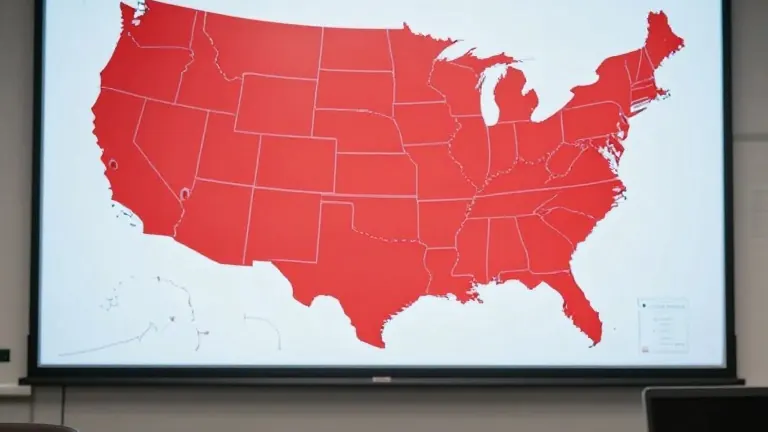
Data from the Centers for Disease Control and Prevention shows the scale of the current surge. As of Thursday, 5,182 confirmed cases had been reported in 2026. These cases span 45 states, New York City, and the District of Columbia. This total exceeds the 2,289 cases recorded in the previous year, marking one of the worst resurgences in decades.
Public health experts note that halting transmission requires 95% of the population to be vaccinated. This threshold creates herd immunity, which protects individuals who cannot receive the vaccine. Two doses of the measles vaccine provide 97% protection against the virus. The disease can lead to blindness, deafness, brain damage, or death.