
Nigeria's 100 Million Naira Presidential Fee
The nomination cost has doubled since the last cycle, creating a financial barrier that excludes most candidates under the age of 40 from the January election.
By Matthew Brooks ·
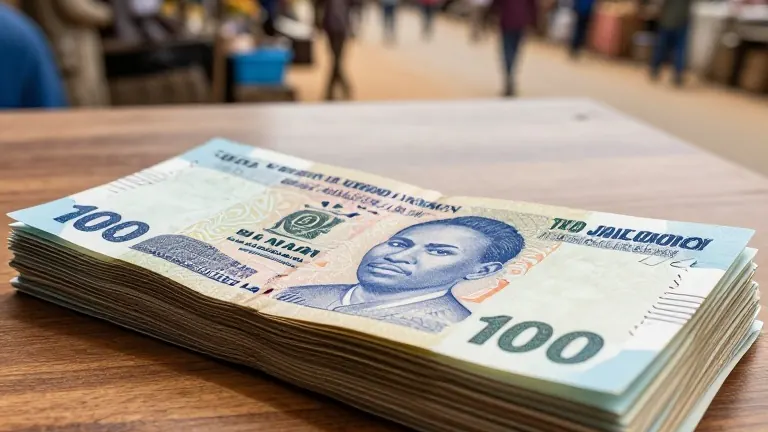
Nigeria's major political parties have set the nomination fee for presidential candidates at 100 million naira, a sum equivalent to roughly $74,000 and £56,000. The ruling All Progressives Congress, the Peoples Democratic Party, and the African Democratic Congress all adopted this price point. This figure represents a substantial increase in the cost of entry for the top office in the country.
The financial threshold stands in sharp contrast to the demographics of the nation. Approximately 80% of Nigeria's population is under the age of 40. In the upcoming general elections in January, the average age of the candidates is skewed heavily toward the older end of the spectrum. President Bola Tinubu, currently 74, faces challengers who are also well into their senior years.
Atiku Abubakar, seeking the presidency for the seventh time, is 79 years old. Peter Obi, who ran in the previous cycle, is 65. Among the 18 registered presidential candidates, only one is under 40. That candidate is Moses Olusoji Adebisi, a 35-year-old businessman representing the Democratic Leadership Alliance. He is the sole youth representative in the field, though he remains a low-profile figure on the campaign trail.
The cost of running for office has risen to match the nomination fees. The Electoral Act previously capped presidential spending at 5 billion naira for the 2023 elections. That limit has since been doubled. For many aspiring young leaders, the upfront cost of the nomination form alone makes a competitive campaign impossible. Abdulhadi Dalhatu, a 38-year-old candidate in Kano state, said he has previously abandoned campaigns because he could not raise enough funds.
This financial barrier is reinforced by the structure of the party system. Since the return to civilian rule in 1999, only two major parties have governed Nigeria: the PDP from 1999 to 2015 and the APC from 2015 to the present. The ADC, formed last year by defectors, adds a third nationwide network. These parties maintain extensive branches and supporter bases that new entrants struggle to challenge without significant capital.
The lack of young representation is visible in the National Assembly as well. None of the 109 members of the Senate are under 40. In the House of Representatives, only 14 of the 360 seats are held by members of that age group. Fatima Zahra Umar, a young politician in the APC, noted that participation is guided by money because Nigerian politics is cash-intensive. She added that young people are often content with minor roles, such as serving as special advisors to senior politicians.
Voter registration data reflects a similar trend. The number of registered voters has increased by 10 million since the last election, reaching over 103 million. However, enrolment among those under 35 has fallen by about 7 million. Young people now account for 29% of registered voters, a drop from 40% in 2023. The electoral commission, INEC, has appointed nine ambassadors from the entertainment industry to encourage registration, but the figures suggest these efforts have not yet reversed the decline.
Political analyst Seun Ajayi said the issues extend beyond money. He noted that while young Nigerians are capable, they often lack the drive to fight for top positions. "The old men are not going to sit idle and allow us to push them out," Ajayi said. He added that he does not currently see the necessary zeal among the younger generation to displace established figures.
Entertainer Charly Boy recently drew attention to the US midterm elections, where several young candidates won seats. He wrote on X that the results served as a warning to Nigerian politicians. He urged voters to hold candidates accountable for past promises regarding jobs, security, and affordable living. "Democracy is not a spectator sport," he wrote.
The next major step for Nigerian voters is the general election in January. Candidates must secure their party nominations before that date. The current spending limits and nomination fees will govern the campaigns for the presidency and other offices.
More Business · Consumer Alerts · Report a business · Got a Story?