Australian economists forecast deeper economic slump
Banks lowered their growth predictions following the surge in oil prices and an expected fifth interest rate hike.
By Andrew Hayes ·
Economists at major Australian banks have revised their economic forecasts downward, predicting a sharper and longer period of slowdown. The new projections come as the Reserve Bank of Australia is expected to implement a fifth consecutive interest rate hike. This move would push the cash rate to its highest level since 2008.
In early July, the global benchmark for oil, Brent crude, traded at approximately 72 US dollars per barrel. By the time of the latest data, the price had climbed back above 110 US dollars. This spike resulted from the prolonged conflict in the Middle East and the fading hopes for a near-term peace deal. The higher energy costs have forced central bankers to keep rates elevated to combat persistent inflation.
Belinda Allen, the head of Australian economics at CBA, stated that the conflict, falling house prices, and aggressive central bank policy will drive real GDP down to 1% by the middle of next year. This figure is nearly half of the previous estimate of 1.8%. Allen noted that growth through 2027 would barely strengthen, with an estimated rate of 1.1%. She said she had expected signs of recovery by New Year but now sees the economy bottoming out deeper and later. Allen attributed this shift mainly to oil prices remaining higher than anticipated.
Gareth Spence, the head of Australian economics at NAB, offered a similar outlook. He forecast that unemployment would need to rise from 4.7% to 5.4% by the end of next year to control inflation. This projection aligns with recent comments from top Reserve Bank officials. Spence said the economy would grow below trend over 2027 and 2028. His bank’s forecast for unemployment is higher than CBA’s, which expects the rate to peak at 5.1%.
The property market is adding further pressure. Shane Oliver, AMP’s chief economist, said home prices could fall by as much as 15% before stabilizing late next year. Values in Sydney are already down 10% from their recent peak. Oliver warned that a correction of this size could deliver a substantial hit to the economy as homeowners pull back on spending. He noted that while an economic contraction is not his base case, the risk of recession could rise to 45% if the Reserve Bank hikes rates as expected.
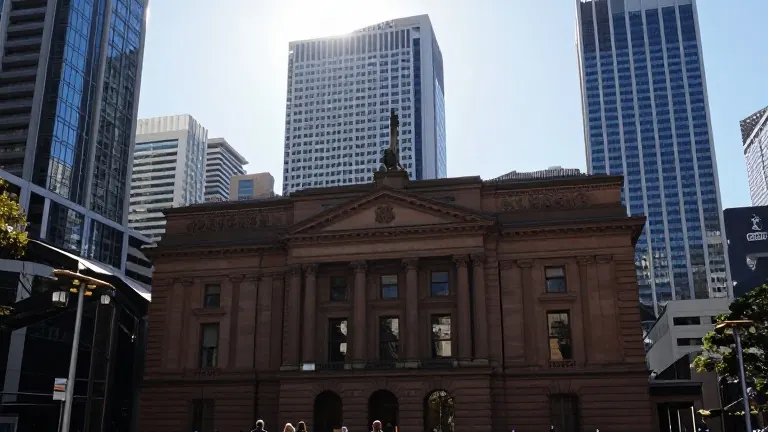
Union leaders protested in front of the Reserve Bank’s offices in Sydney on Monday morning. They expressed concern over the anticipated rate hike. Spence acknowledged the risk that the central bank would need to hike rates again. The deteriorating outlook follows warnings from Finance Minister Jim Chalmers last month that the December mid-year budget update would reflect a more pessimistic economic picture.
More Business · Consumer Alerts · Report a business · Got a Story?