Congress Returns for Crowded Lame Duck Session
Lawmakers face a packed five-week schedule including a government funding deadline and a potential impeachment vote.
By Leila Mansour ·
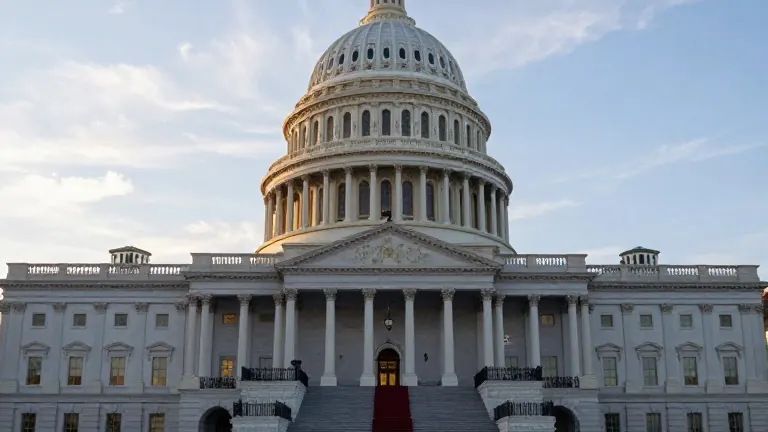
Congress returns to Washington on Monday for a five-week lame duck session that begins with the seating of the largest freshmen class in the House since 1933. At least 109 incoming representatives will join the chamber, a number that marks a historic turnover following the midterm elections that gave Democrats control of both the House and the Senate.
The session opens with a two week legislative period that is wrapped with orientation events for new members. A group photo on the House steps is scheduled for Thursday morning. Senate orientation is also scheduled for the first half of the week as at least 17 senators head home and new members prepare to take the oath.
House Speaker Mike Johnson faces immediate friction from his own conference. Republican leadership plans to advance only one piece of legislation under a rule next week. This approach echoes frustrations voiced by Republicans earlier in the fall when the speaker dismissed lawmakers for a six week campaign blitz instead of putting party wins on the floor.
Plans for the session may be derailed by Republican Representative Thomas Massie. Massie is expected to reintroduce a privileged resolution to impeach Secretary of Defense Pete Hegseth as early as Monday. The resolution contains eight articles of impeachment and sets up a potential midweek showdown. Hegseth said in a video posted Thursday that he will not back down, comparing the effort to the impeachments of President Trump.
Massie is also on the verge of forcing a floor vote on the Epstein Transparency Act II. He has amassed 216 signatures for a discharge petition, including four from fellow lame duck Republicans. He needs just two more Democratic signatures to force consideration of the bill, which would allow state attorneys general and victims to sue the U.S. Attorney General for withholding investigative records related to Jeffrey Epstein and Ghislaine Maxwell.
The government funding deadline looms large over the session. Funding runs out after December 11 and lawmakers are far from a deal to avert a shutdown. The House and Senate must also pass the National Defense Authorization Act before the end of 2026. Disputes over funding for the war in Iran could complicate that process. Reauthorizing Section 702 of the Foreign Intelligence Surveillance Act and passing the expired Farm Bill are also on the list.
Senate Republicans are scheduled to hold a closed door election on Tuesday morning to select their party leaders. All current members of the leadership team are seeking to retain their positions. In the House, Speaker Johnson announced he will not run for GOP leader in the next Congress. This pits Majority Leader Steve Scalise against Judiciary Chairman Jim Jordan in a race for House Republican leader on Tuesday. House Democrats have set their leadership elections for November 18.
More Politics · Chicago news · Report a business · Got a Story?