COP31 Opens in Turkey: Critics Question the Host's Environmental Record
Turkish environmentalists argue the summit serves diplomatic prestige more than policy, citing coal mining and waste imports.
By Leila Mansour ·
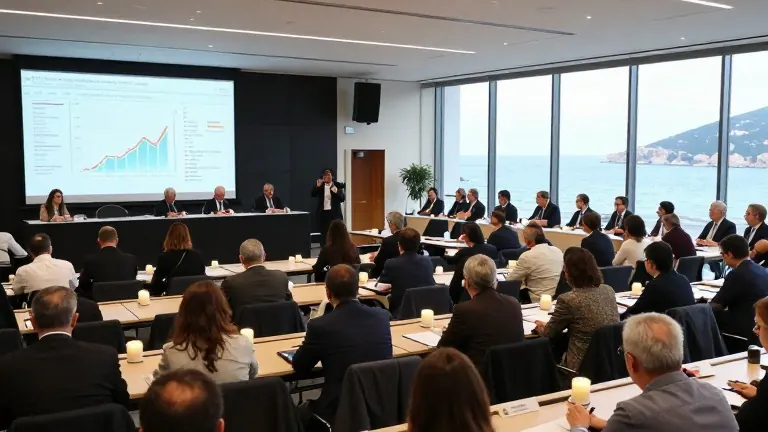
The United Nations climate conference began in Antalya, Turkey, bringing together diplomats and leaders from nearly every country to negotiate on global warming. While the Turkish government frames the event as a moment of international leadership, domestic critics argue the hosting role masks persistent environmental flaws.
Three key issues define the tension between Ankara and its environmental advocates.
First, the summit represents a major diplomatic move for Turkey. Ümit Şahin, head of the climate change program at the Istanbul Policy Center, stated that the primary driver for hosting was prestige. He described the event as a showcase for Turkey's status as a serious middle power and global player. The country has positioned itself as a mediator in conflicts ranging from Ukraine to Iran, and now seeks to add climate leadership to its diplomatic portfolio.
Second, critics point to a gap between policy documents and actual practice. Şahin noted that while Turkey ratified the Paris Agreement in 2021 and created a dedicated climate ministry, it lacks a real climate policy. He described the existing strategy as a collection of action plans and paperwork rather than effective governance. This shift followed deadly wildfires approximately five years ago and pressure from European trade taxes.
Third, specific industrial projects have drawn sharp criticism from activists. The Turkish government promotes its Zero Waste campaign, which aims to recycle or reuse all waste materials. However, Şahin observed that Turkey accepts more European plastic waste than any other nation, much of which is burned or dumped. He called this the number one example of greenwashing in the country and argued that a sincere commitment to Zero Waste would require banning plastic waste imports entirely.
Activists are organizing a parallel conference to apply pressure during the official talks. Çiğdem Özbaş, a volunteer at the People's Climate Summit, accused the government of favoring business interests over farmers and suppressing domestic dissent. She warned that the event would feature lies about technological solutions from companies engaged in ecological damage.
The conference sponsors have also come under scrutiny. Infrastructure firm Limak Holding is expanding coal mines on ancient olive groves. Real estate developer Sinpaş GYO has built a luxury resort inside a national park by pouring concrete on protected land. The Turkish Ministry of Climate did not respond to a request for comment from NPR regarding these criticisms.
Özlem Katısöz of the Turkey chapter of Climate Action Network Europe offers a more optimistic view. She believes hosting the summit forces Turkey to improve its domestic policies to maintain credibility in global discussions. She sees the event as an opening for civil society to hold the government accountable for its environmental promises.