EPA finds no lead in 38 water samples after Iowa explosion
Testing of source water near the Army Ammunition Plant showed levels below federal action limits, though officials continue monitoring soil and tap water.
By Marco Alvarez ·
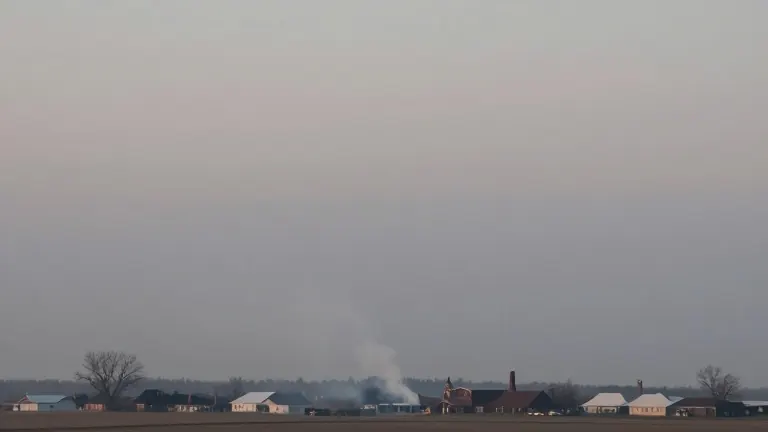
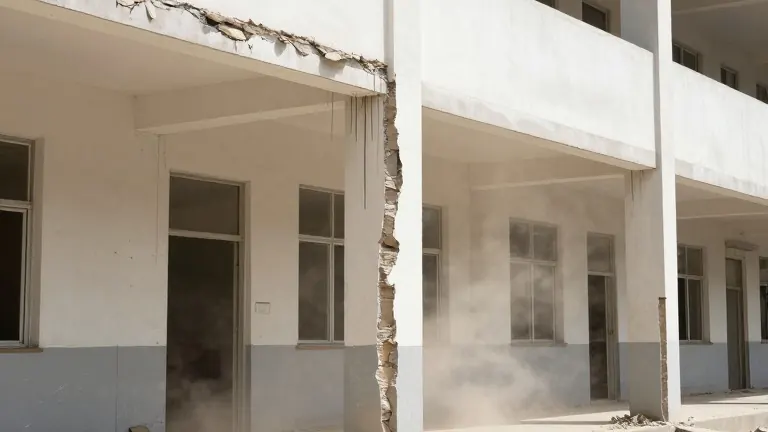
Middletown, Iowa. The Environmental Protection Agency reported on Saturday that initial testing found no lead in 38 water samples taken after the detonation of lead azide at the Army Ammunition Plant last Wednesday. The blast occurred at the facility in the small town of Middletown, where the Army stored the volatile compound.
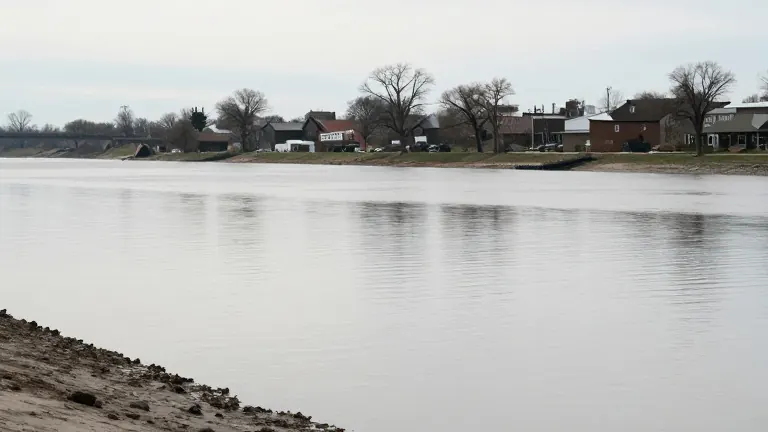
The agency stated that the samples were collected from bodies of water that serve as sources for drinking water. All 38 post-blast samples showed no detectable lead. In comparison, samples taken before the explosion at 35 drinking water sources across Iowa, Illinois, and Missouri recorded lead levels well below the federal action level of 15 parts per billion.
EPA officials noted that none of the sampling locations fell within the path where the chemical plume traveled. The agency emphasized that the data comes from untreated source water, not water processed through municipal systems. The department is releasing the figures publicly to maintain transparency with the public.
Brad Bark, the mayor of Muscatine, Iowa, described the findings as a reassurance for residents. Muscatine sits approximately 50 miles north of the explosion site. Bark said the city’s primary focus remains the health and safety of its people. His administration plans to stay in close contact with the EPA, the Army, and state and county partners as the investigation continues.
Some local officials and residents had previously criticized the Army for a lack of transparency regarding the instability of the stockpile. Wally Taylor, legal chair for the Sierra Club Iowa Chapter, expressed caution about the early results. Taylor, whose group petitioned to pause the permit for the detonation, said it is too early to draw firm conclusions about the spread of lead.
Taylor argued that the lead released during the blast had to end up somewhere. He is waiting for test results from the University of Iowa, which deployed air monitors and collected samples prior to the explosion. Other research groups are also analyzing data from the event.
The EPA has not yet released data from samples taken from taps, soil, dust, and the exteriors of structures near the plant. The agency is currently preparing to receive, validate, and publish those results. The next phase of testing will provide a more detailed picture of potential contamination on land.