EPA Finds No Lead Spike in Water After Iowa Detonation
Preliminary lab tests show controlled blast of lead azide did not raise heavy metal levels in local water supplies.
By Aiko Sato ·
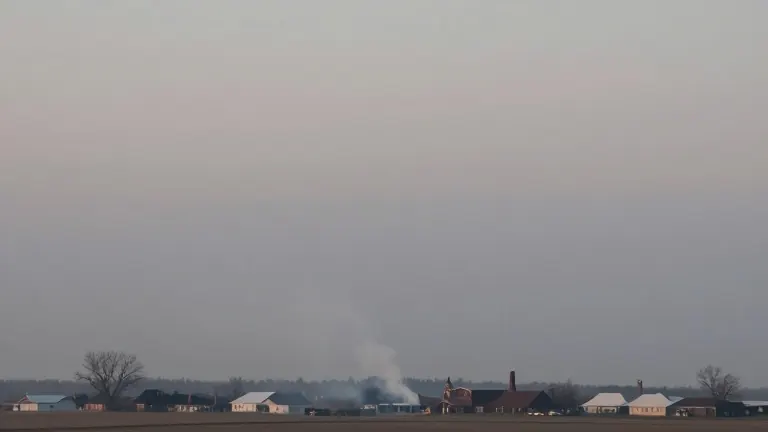
Preliminary lab results from the U.S. Environmental Protection Agency show that a controlled detonation of lead azide in Iowa did not raise lead levels in local water supplies.
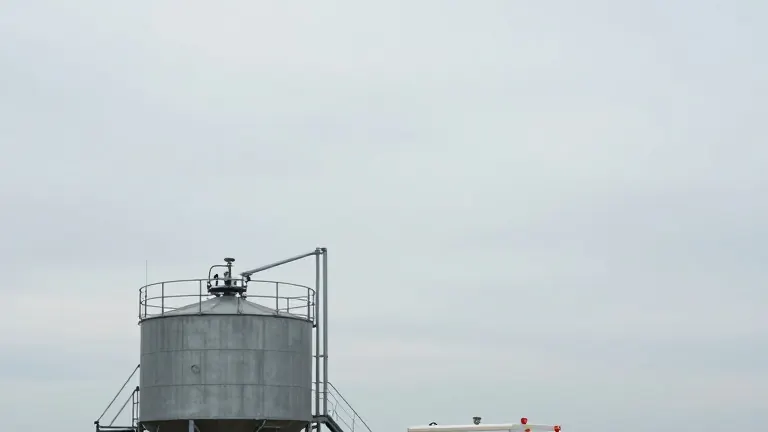
The EPA released the findings on Saturday following the blast of five tons of the aging chemical at a federal storage site in Middletown. The agency tested air, water, soil, and dust across the region after the U.S. Army triggered the explosion on Thursday to prevent an uncontrolled detonation as winter weather approached.
About 300 people helped collect samples at schools, parks, churches, and homes throughout the area. Workers gathered more than 1,500 samples before the blast and hundreds of others afterward. The EPA used Xact air monitoring systems to track lead in the air for 30 continuous hours following the detonation.
The agency said it is currently validating more than 3,200 additional samples of air, soil, dust, and water. The EPA noted that it will provide further updates as those laboratory results come back.
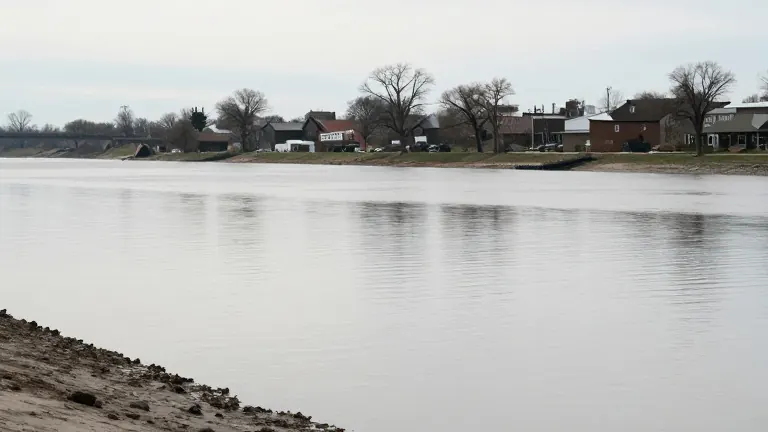
Brad Bark, the mayor of Muscatine, Iowa, said the initial findings are encouraging. Muscatine is located about 80 kilometers north of Middletown. Bark stated that the results provide peace of mind for the community. "Our priority remains the health and safety of our residents. We will follow recommendations and stay in close coordination with the EPA, the Army, and state and county partners," he said in an email statement.
The Army maintained that detonating the unstable reserve immediately was the safest option. The chemical was degrading and could have exploded on its own as temperatures dropped. Residents in Middletown knew of the plans, but wider warnings reached the general public only days before the blast. Some elected officials and residents criticized the Army for not being more transparent about the timing and extent of the notification.