Google Fi Revives Multi-Network Switching on Pixel 9 Devices
The service will now hop between two 5G carriers using eSIM technology to maintain stronger connections for eligible users.
By Andrew Hayes ·
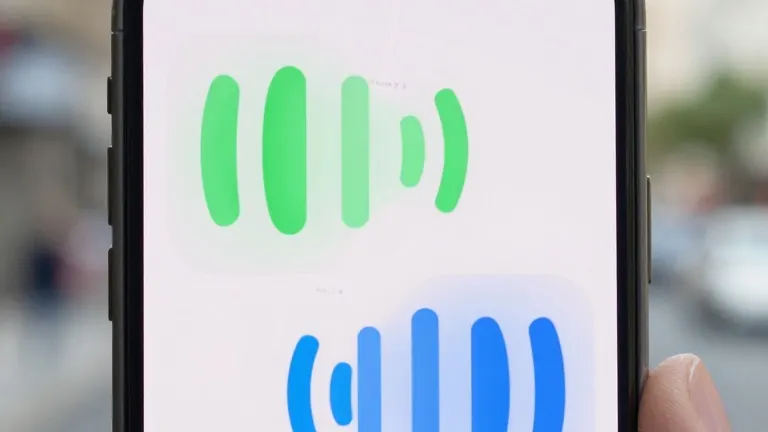
Google Fi is resuming its automatic network switching feature for United States users, a capability that was suspended for five years. The new system, branded as a super network, allows phones to move between two distinct 5G networks in real time to maintain connectivity. This update is available today for owners of Pixel 9 and newer models who have an active Google Fi eSIM and have disabled any other physical SIM cards.
The multi-network functionality dates back to the service's 2015 launch, when Google Fi could switch between T-Mobile and Sprint. That arrangement ended in 2020 after T-Mobile acquired Sprint, merging the two networks into one. Jane Harnett, the senior product manager for Google Fi Wireless, explained that the feature paused because wireless mergers limited the available carrier options domestically. While users could still switch networks internationally, the domestic switching capability was removed.
The new iteration differs from the original in speed and mechanism. Harnett noted that previous systems used single SIM switching, which required the phone to wait for a complete service drop before slowly swapping profiles. Earlier dual SIM attempts also required both a physical SIM and an eSIM, which could slow the transition. The current approach relies entirely on eSIM technology to keep two network profiles on standby simultaneously.
The updated system utilizes Multi-Operator Profile (MEP) technology to monitor live connection quality through the Android operating system. This allows the device to identify a better connection before the current one fails. The result is a faster and more fluid transition with minimal impact on battery life. Harnett declined to identify the specific partner networks involved, though Google Fi's FAQ states that coverage is currently provided through T-Mobile's network.
Eligibility is strictly limited to newer hardware. The feature is not available on Pixel 8 or older devices. Users must ensure their Google Fi line is active on an eSIM and that any non-Fi SIMs are disabled. The rollout begins immediately for those who meet these hardware and configuration requirements.
This move marks the first time Google Fi has offered domestic multi-network switching since the Sprint acquisition. The company has rebuilt the experience for modern eSIM capabilities. The feature aims to reduce dropped calls and slow data speeds by proactively selecting the stronger signal before the current connection degrades.