Scientists Program DNA to Make Synthetic Matter Move and Beat
Weizmann Institute researchers published two studies showing that genetic code inside artificial gels can drive motion, shape changes, and rhythmic pulses without external power sources.
By Marco Alvarez ·
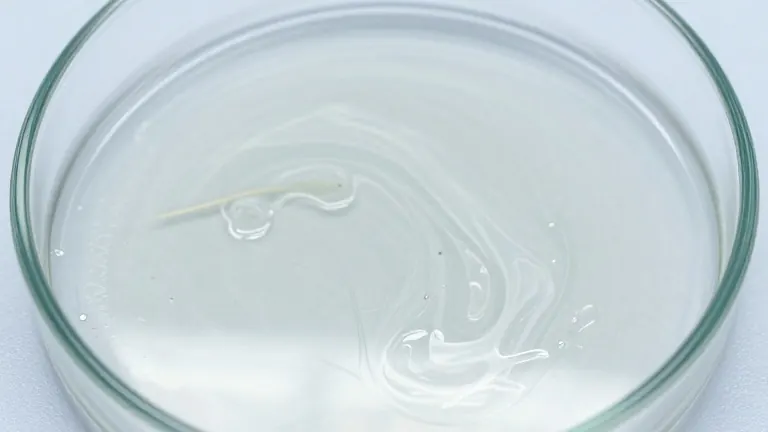
Two new studies reveal that scientists can use DNA to force non-living materials to move, change shape, and beat in a steady rhythm. The work was published on Monday in Nature Materials and Nature Physics. The research comes from the Weizmann Institute of Science in Israel.
The primary study in Nature Materials, led by Dr. Alexandra Tayar, focused on creating self-powered movement. Instead of adding pre-made motor proteins to a gel, the team injected DNA containing the instructions for those motors directly into the fluid. The gel read the genetic code and manufactured the motor proteins internally. These microscopic engines then pushed and slid protein tracks, causing the fluid to swirl and shift its shape without any external batteries or controls.
Researchers Rochelle Silverman and Erez Zerbib, along with collaborators from the University of Minnesota, conducted this specific experiment. By adjusting the amount and timing of the DNA instructions, the team could dictate how fast the material moved and when it stopped. They used chip-patterning techniques to carve microscopic channels into the glass container to guide the flow. Silverman stated that the material was programmed to move briefly and then come to a stop, demonstrating internal control over behavior.
The second study, published in Nature Physics, explored rhythmic motion. Researchers Maya Levanon and Noa Goldberg introduced long DNA strands into a gel packed with motor proteins. As the motors churned, the DNA strands tangled and stretched until they snapped back. This back-and-forth movement created a smooth, rhythmic beat. The process required no computer chips, batteries, or metal gears.
Levanon noted that the team was amazed to see the material create such rhythmic waves. She explained that the denser and more tangled the DNA web became, the stronger the pulses grew. For the motion to coordinate, the DNA strands had to be long enough to connect neighboring swirls of fluid. The researchers found that the size of the waves depended entirely on the boundaries holding the liquid, increasing in direct proportion to the container size.
Goldberg explained that the speed of the beats depended on the number of tiny motors. A minimum number was required to tangle the DNA enough to start the cycle. Levanon described the mechanism as a delayed response. When the active material flows in a particular direction, it stretches the network for about 10 minutes until it reaches its limit. Only then does the network contract, sweeping the material in the opposite direction.
Tayar said the findings could allow for the design of active materials with a genetic code that enables them to change structure and function on demand. This capability could lead to self-guided microscopic capsules that assemble their own motors, reach diseased cells, release medicine, and shut down safely. The organized motion created by these polymer networks could also help nanomedicines penetrate biological barriers.
In a statement, Tayar highlighted the implications for biological systems. She noted that viscous mucus lining airways and reproductive organs is rich in polymers. While moving through such fluid might seem difficult, the findings suggest these chains may synchronize motion in nature. This could make processes like sperm cells traveling to an egg more efficient.
Tayar expressed hope that combining these tools will enable the development of smarter materials. She cited examples such as soft robots that change shape at the right time and therapies that reach target cells more efficiently. The research provides a framework for using genetic programming to control physical behavior in synthetic systems.