Inflation Ticks Up to 3.8 Percent Despite Cooler Gas Costs
The Commerce Department reported that core prices accelerated in October, complicating the Federal Reserve’s decision-making before its late December meeting.
By Leila Mansour ·
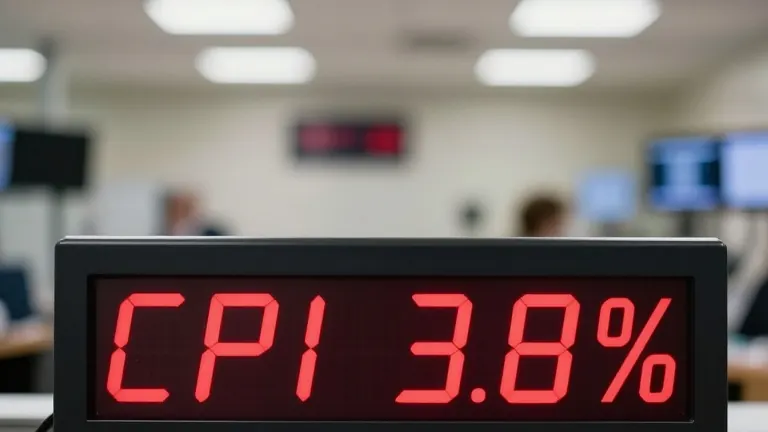
Consumer prices in the United States rose faster in October than in the previous month, according to data released Wednesday by the Commerce Department. The annual inflation rate climbed to 3.8 percent, up from 3.6 percent in September. On a month-over-month basis, prices increased 0.3 percent, a smaller jump than the 0.6 percent recorded the prior month.
Gasoline costs contributed to the monthly slowdown in overall price growth. However, excluding the volatile categories of food and energy, core inflation accelerated to 3.3 percent year-over-year. This marks the third consecutive month that core prices have risen by 0.3 percent.
The Federal Reserve targets a 2 percent inflation rate, a level currently out of reach. Policymakers use interest rates as a tool to manage this gap. Raising the key rate increases the cost of borrowing for homes, cars, and credit cards. Higher borrowing costs are intended to slow consumer spending and cool down the economy.
Despite persistent price pressure, the economy continues to expand at a healthy pace. Business investment has surged, particularly from large technology firms building artificial intelligence infrastructure. Consumer spending remains resilient, though the data suggests upper-income households are driving much of that activity. Poorer Americans are showing signs of relying more heavily on credit to maintain their spending habits.
Most economists expect the Federal Reserve to raise its short-term rate at its next policy meeting scheduled for December 8 and 9. Officials have signaled support for the increase, citing solid growth and inflation figures that remain above the central bank’s target.