Judge clears path for Clancy murder retrial
A Massachusetts judge ruled that a second trial for Lindsay Clancy does not violate double jeopardy protections.
By Aiko Sato ·

A Massachusetts judge ruled on Monday that Lindsay Clancy can face a second trial for the murder of her three children, rejecting a legal argument that the retrial violates constitutional protections against double jeopardy.
Judge William Sullivan of the Plymouth District Court denied the motion filed by Clancy's attorneys to dismiss the case. The decision follows a mistrial declared on September 4, when the jury reported that one member was preventing the group from reaching a unanimous verdict.
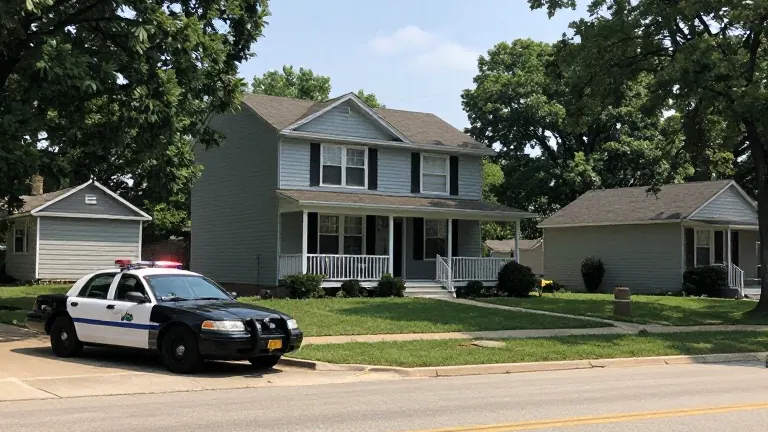
Clancy is charged with killing her daughter Cora, age five, her son Dawson, age three, and her son Callan, who was eight months old. The killings occurred on January 24, 2023, in the basement of the family home in Duxbury, a suburb of Boston. Prosecutors and defense lawyers agreed that Clancy strangled the children with exercise bands. She subsequently cut herself with a knife and jumped from a second-story window in an attempt to end her own life, an act that left her paralyzed.
Clancy's defense team argued that the first trial should have ended with a verdict rather than a mistrial. They cited jury notes indicating that the holdout juror was not applying the standard of reasonable doubt as instructed. The lawyers contended that Sullivan acted too quickly and should have questioned the juror to determine if he could be removed, rather than declaring a deadlock.
Sullivan disagreed with that assessment. He wrote that the notes suggested a disagreement among jurors rather than a refusal by one member to follow the law. The judge stated that questioning the holdout during deliberations would have been impermissibly coercive. He concluded that a manifest necessity existed for the retrial based on the jury deadlock.
The defense has maintained that Clancy, now 36, suffered from postpartum psychosis at the time of the killings. They seek a finding of lack of criminal responsibility, the Massachusetts term for insanity. A successful defense would commit Clancy to a state psychiatric hospital subject to court review, whereas a conviction for first-degree murder carries a mandatory sentence of life in prison without parole.
Some jurors indicated in post-trial interviews that they were prepared to find Clancy not guilty by reason of insanity, but for the single holdout. Martin Weinberg, Clancy's attorney, said the defense intends to appeal the ruling. Sullivan has scheduled a hearing for November 16 to set a date for the second trial, which he suggested could begin in March.