Maine settlers built a short-lived colony near Jaffa in 1866
About 150 Americans arrived off the coast with prefabricated houses and religious hopes, but disease and Ottoman bureaucracy ended the experiment within a year.
By Andrew Hayes ·
Approximately 150 Americans from Maine arrived off the coast of Jaffa in September 1866 aboard the Nellie Chapin, carrying prefabricated wooden houses and agricultural equipment. The group, inspired by the vision of preacher George Jones Adams, intended to establish a prosperous agricultural colony that would help fulfill a biblical prophecy regarding the Jewish people's return to their ancestral homeland.
The settlement, later known as the American Colony, was a gamble against the rules of the time. Ottoman authorities were wary of foreigners owning land while retaining the protection of their home governments. As a result, the central government initially refused to approve the settlement plan, forcing the families to live in tents for a period while they waited for permission to secure the land.
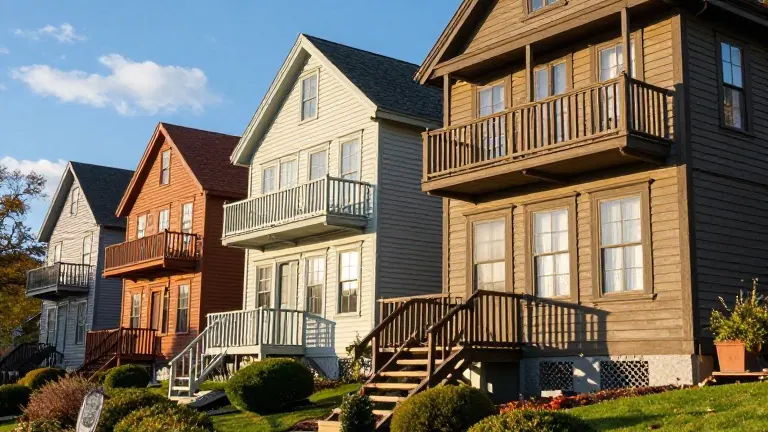
Local officials eventually assisted the group in erecting the wooden structures on a hill near Jaffa. The settlement quickly developed picturesque houses and gardens. However, the harsh reality of the location took a toll. Disease spread among the settlers, claiming the lives of adults and children alike. Financial resources depleted rapidly, and frustration with Adams grew as the community began to disintegrate.
Within about a year of their arrival, many settlers had left the country. Adams himself abandoned the colony in 1868. The remaining properties were eventually sold to the German Templers, ending the American messianic dream that had lasted barely two years.
The area near Jaffa and Neve Tzedek has since undergone significant change. Dr. Yosefa Eisenberg, who leads historical tours in the neighborhood, noted that Jaffa was often viewed as the backyard of Tel Aviv until roughly two decades ago. She explained that the area suffered from infrastructure problems and winter flooding before a real urban renewal plan took effect.
Today, the restored wooden houses stand as a quiet neighborhood. Avi Zak, the owner of The Drisco Hotel located in the area, restored the property over four years, raising NIS 120 million in funding. He named the hotel after the American settler brothers George and John Drisco, who had established the property in its original form. The site now serves as a small, preserved pocket of American history in Tel Aviv.