Mayor Johnson Proposes Vacant Lot Tax to Close $75M Budget Gap
The plan includes a $1,000 annual fee on private lots and retains the corporate head tax that a council majority has rejected.
By Aiko Sato ·
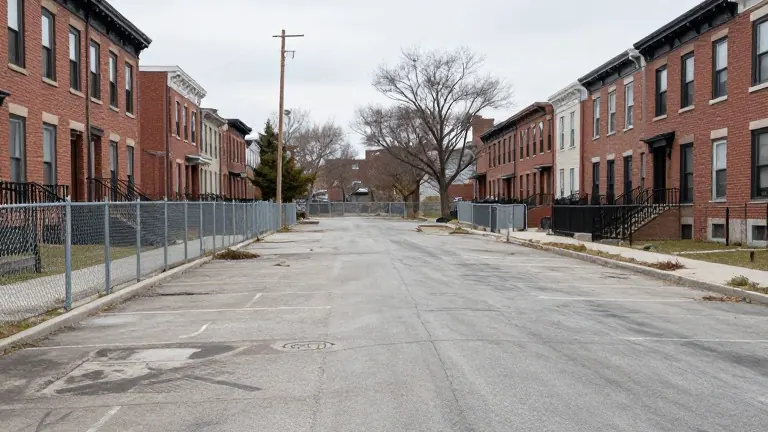
Mayor Brandon Johnson proposed a new tax on vacant lots Tuesday as part of a plan to close a $75 million budget gap, while maintaining his push for a corporate head tax that most aldermen have opposed. The budget amendment package also relies on higher state tax revenue projections and increased debt collection efforts.
The $75 million deficit emerged earlier this month when the City Council voted 44-6 to allocate a windfall to an additional advance pension payment. Aldermen secured that money in September during negotiations over the city’s parking meter deal. Johnson originally proposed folding the cash into the city’s $364 million advance pension payment, but council members insisted on using it for a separate, additional payment.
Under the new proposal, privately owned vacant lots would incur a $1,000 annual tax starting in July. The administration estimates the fee will raise $12 million and encourage owners to use the land productively. Exemptions include side lots, areas serving neighborhood purposes, and lots awaiting permits or financing. The plan also seeks $1.2 million from increased fees on vacant buildings.
The largest portion of the plan comes from a revised revenue estimate. Johnson’s team now projects $25 million more in state tax revenue than they did in late October. The state’s Personal Property Replacement Tax revenue is currently running 20 percent above expectations, a sharp increase from the 2 percent shortfall seen in June. The mayor’s team also expects to generate $13.3 million by modernizing procurement and $12 million by reviewing overdue invoices.
Aldermen opposed to the mayor’s budget quickly criticized the new plan. In a statement shared by Ald. Samantha Nugent, 39th, the group called the proposals "tinkering at the margins." The letter stated that the mayor is seeking credit for trying to fill the hole he dug and that the effort relies on one-time money and a new tax. The group said they are ready to sit down when the mayor brings a budget that can pass.
Johnson is also reviving his corporate head tax proposal for the 2027 budget, which he calls the "Fair Share" budget. The tax would charge $25 per worker per month for companies with more than 125 employees, with full rebates for jobs in designated areas on the South, Southwest, and West sides. A new study from the University of Chicago’s Center for Municipal Finance found that about 760 employers would owe the tax, with a typical business having 266 employees and owing $80,000. The report noted the tax creates a strong incentive for employers to keep headcount below the 125-employee threshold.
Johnson argued that cutting spending is not a viable path to solvency and that the 28 aldermen who rejected his budget need to present their own alternatives. Ald. Byron Sigcho-Lopez, 25th, a close ally of the mayor, said the council needs to offer solutions. The mayor’s decision to hold firm on the head tax comes after the city’s third chief financial officer resigned this year, citing issues with accurate financial statements.
More Politics · Chicago news · Report a business · Got a Story?