Norwalk Health Department Expands Suicide Prevention Efforts with New CDC Funding
The city has trained over 1,300 residents and installed public signage to connect locals with the 988 Lifeline.
By Matthew Brooks ·
More than 1,300 people in Norwalk, Connecticut, have received suicide prevention training under a federal grant that first began in September 2023. The city received $40,000 annually from the Centers for Disease Control and Prevention to support these efforts. The program is now entering its fourth year of operation.
The initiative started three years ago when Norwalk was selected for the CDC Comprehensive Suicide Prevention grant. Since then, health officials have conducted more than 60 training sessions for various local groups. These sessions covered teachers, firefighters, faith-based staff, and youth service providers. Community Health Educator Kelley Tomlinson presented these figures at a Board of Health meeting on Tuesday, October 28, 2026.
Suicide remains a major cause of death in Connecticut, ranking as the 13th-leading cause statewide. However, the rates are higher for specific age groups. It is the second-highest cause of death for youths aged 10 to 19 and for adults aged 25 to 35, according to Tomlinson. Public surveys indicate that about one-fifth of local youth report depression or anxiety. Nearly half of those surveyed said they have no support system in place.
Despite these statistics, Tomlinson noted a positive shift in local behavior. Depression rates among city youths are decreasing, and more high school students are seeking in-school counseling. She stated, "People are seeking help, and we are seeing lower rates." The health department has used the grant to build partnerships with behavioral health experts, healthcare professionals, educators, first responders, and veterans organizations.
Staff members are now certified to provide training in English, Spanish, and Haitian Creole. The department has started more than a dozen community-wide initiatives and attended nearly 300 other events to spread awareness. They have also developed the city's first postvention plan, which coordinates a response from multiple partners following a death by suicide to support grieving families.
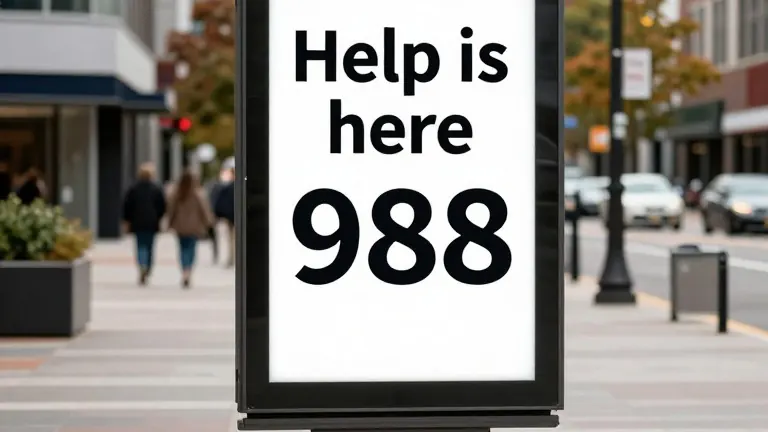
Signage displaying the message "There is hope. There is help." has been placed in public spaces. Billboards at train stations and on buses also feature this message along with information on the 988 Lifeline. Health board member Dr. Norman J. Weinberger praised the effort during the meeting. He said, "As we're all aware, suicide prevention is a very, very important thing, particularly at this time in our history, as more and more people are put under stress."
Tomlinson described the department's goal as helping people recognize warning signs and know which resources to use. The current message for the public is that it is acceptable to seek support when needed. The health department continues to hold trainings as frequently as possible to maintain these community connections.