Sarah Josepha Hale helped create modern Thanksgiving in 19th century
The holiday's link to the 1621 feast was a myth crafted to unite a divided nation and assimilate immigrants.
By Aiko Sato ·
The connection between the 1621 harvest feast and the Thanksgiving celebrated across the United States today is a historical invention rather than a direct tradition. According to Samira Mehta, a professor of women and gender studies and Jewish studies at the University of Colorado Boulder, this narrative was constructed in the 19th century to unify a fractured country.
Mehta notes that the only eyewitness account of the 1621 event provides few details about the meal. A later account mentions venison, corn, and turkeys, but the specific recipes and table settings familiar to modern Americans did not exist at the time.
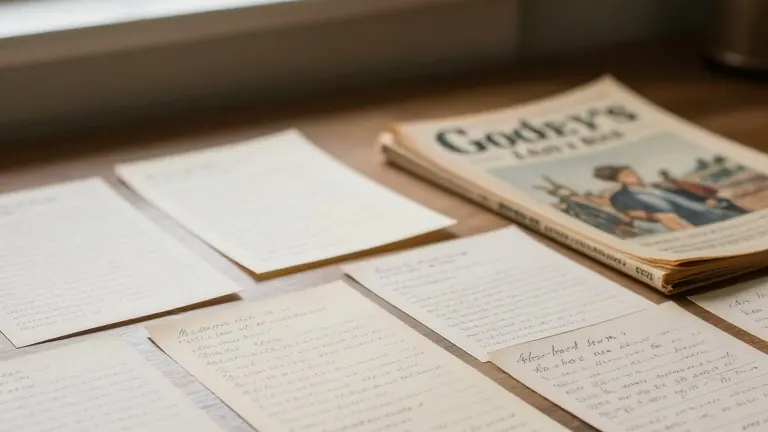
Sarah Josepha Hale, born in New Hampshire in 1788, became the primary architect of the modern holiday. She served as editor of Godey’s Lady’s Book, which held the largest circulation of any U.S. magazine before the Civil War. Through this platform, she published editorials advocating for a national Thanksgiving.
Hale believed homemakers could help define the nation's identity. Her magazine provided readers with instructions for the day, including recipes for seasonal foods and elaborate pastry decorations for pies. These decorations often featured the Mayflower or a cornucopia made from pie crust.
The magazine emphasized the value of domestic labor, a concept that gained prominence as the Industrial Revolution shifted the economy toward factories. Hale also promoted the holiday as a time for families to reunite, countering the trend of workers moving away from home for industrial jobs.
Hale petitioned five presidents to make the holiday official. Abraham Lincoln finally declared it a national holiday, hoping the shared origin story would help unite the nation during the Civil War. During the conflict, Northern women sent pies and turkeys to soldiers, while abolitionist Sojourner Truth collected funds to provide meals for African American troops.
Adoption of the holiday was gradual. Catholics, influenced by the Protestant origins of early American feast days, embraced it later than others. The South, associating the holiday with Lincoln, also adopted it late. The frontier, dominated by single men, celebrated it less frequently due to the day's focus on family.
By the early 20th century, public schools used Thanksgiving to assimilate new immigrants. Teachers sent recipe cards home so families could cook dishes popularized by Hale. Schools taught the Pilgrims as the spiritual ancestors of all Americans, framing them as the first immigrants. By the 1920s, Thanksgiving was the most celebrated holiday in public schools. Mehta cites a Jewish immigrant who remembered how the Pilgrim story helped connect his family’s exile to the traditions of Protestant America.
More Culture · Chicago news · Report a business · Got a Story?