SpaceX aims to catch both Starship stages
The company plans to return the booster and spacecraft to the Starbase pad rather than letting them fall into the ocean.
By Aiko Sato ·
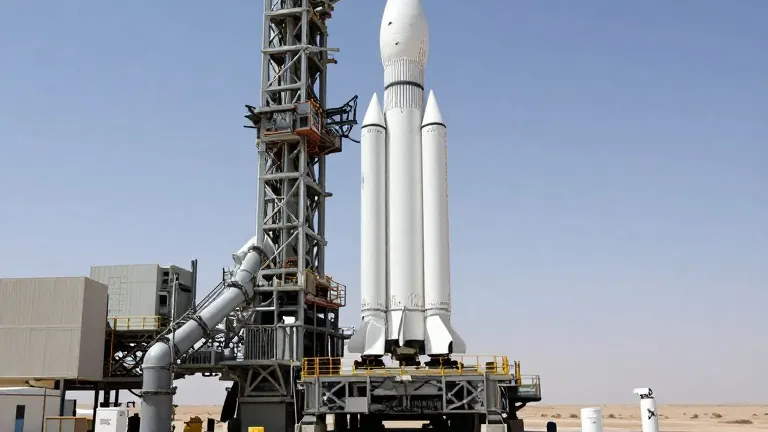
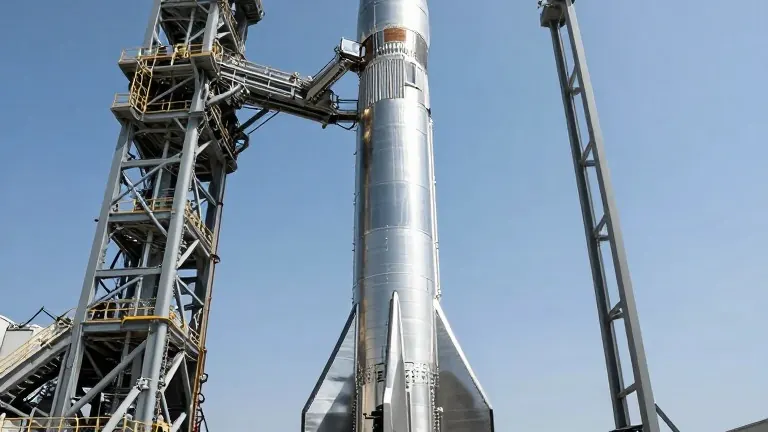
SpaceX attempted its first full recovery of both the Starship spacecraft and the Super Heavy booster on Friday afternoon. The launch window opened at 4:47 p.m. CST from Starbase in South Texas. The mission focuses on landing both stages back at the pad instead of the ocean.
The company has not achieved this dual recovery before. Previous missions typically saw the stages splash down in the water, where they became unusable. SpaceX says returning them to the ground could make the system reusable. Reusability would lower the cost of space travel compared to current NASA rockets that are not reusable.
The recovery process is split into two distinct phases. The booster was targeted for a catch approximately six minutes after liftoff. The spacecraft, Starship, entered a near-24 hour orbit before its planned return. During this orbital pass, Starship was scheduled to deploy 26 Starlink V3 satellites to expand the company's communications network.
Visitors traveled to South Texas to watch the event. Randall Folsom, a visitor from North Carolina, said the sight was stunning. "I've been watching it for years on TV. To me, being able to launch something that big, that complicated, catch it, that's the holy grail of rocketry, right?" he told ABC13 reporters on Thursday.
SpaceX CEO Elon Musk described the traditional rocket model as inefficient during the X Takeover 2025 event. "If every time you drove somewhere you had to throw away the car, you'd be 'Wow, that's a crazy car where you have to throw away after every time you drive it.' But that's how it works for rockets," Musk said to the audience. The company aims to change that dynamic with this test.
The spacecraft was set to reenter the atmosphere and land at Starbase the following day. SpaceX stated it hoped to catch Starship at the pad on Saturday. This would complete the first full cycle of launching and recovering both components of the system.