UN Set to Vote Again as Cuba Embargo Debate Draws 165-7 Margin From Last Year
Wednesday's General Assembly session will mark the 34th annual vote on the resolution, held amid a shouting match between U.S. and Cuban diplomats this week.
By Aiko Sato ·
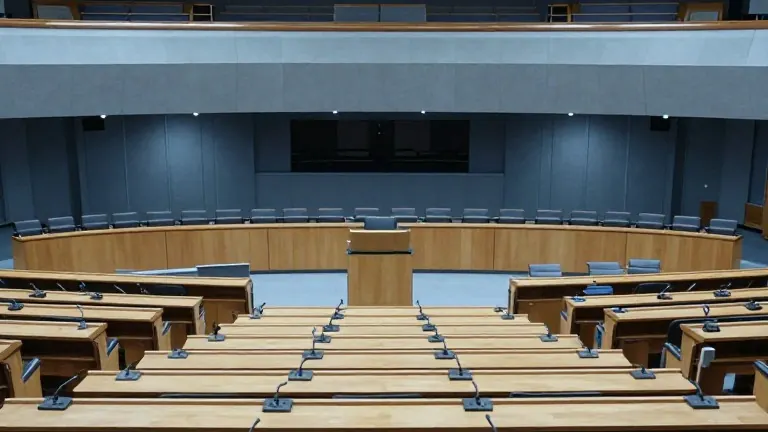
The United Nations General Assembly is scheduled to vote Wednesday on a resolution condemning the United States' economic embargo of Cuba, an exercise member states have repeated annually for 34 years. In last year's session, the resolution drew 165 votes in favor, 7 against and 12 abstentions among the body's 193 member states. The General Assembly vote is not legally binding and is understood as a reflection of member state opinion.
The debate this week has taken place in sharper terms than in previous years. On Tuesday, U.S. Ambassador to the U.N. Mike Waltz and Cuban Foreign Minister Bruno Rodríguez exchanged raised voices on the General Assembly floor while the resolution was before the body. Rodríguez approached the podium during Waltz's remarks, called him a liar, and sought a point of order from the presiding official. U.N. security personnel and staff stepped in during the exchange.
Waltz addressed Rodríguez from the podium as the intervention began. "This individual needs to back away from this podium. He's not going to intimidate me in the United States of America," Waltz said. "You understand who you're dealing with? This is America. Back up." Rodríguez posted afterward on X that the exchange took place at the United Nations and not at a White House national security meeting. In the same post, he called Waltz's remarks "crude lies" and described the U.S. government's actions as an effort to justify economic pressure on Cuba.
A comparable confrontation occurred one week earlier between Waltz and Cuban diplomat Ernesto Soberón Guzmán outside a U.S.-hosted panel on Cuba that included dissidents and former prisoners. The panel addressed allegations about the Cuban government's treatment of political opponents.
The vote comes as Cuba faces financial strain. President Donald Trump announced in late January that tariffs would apply to any country selling or providing oil to Cuba. The measure has cut fuel to the island, producing power outages that affect cooking, water supply, and internet and telephone service, according to reporting on the embargo's effects. President Trump also said last week that U.S. warships could stop in Cuba on their return from the Iran war, raising the possibility of military action. The United States first imposed the embargo in 1960, after Fidel Castro led the revolution that removed Fulgencio Batista and nationalized property held by U.S. citizens and companies.
Source: ABC7 Chicago · original report published
More World · Chicago news · Report a business · Got a Story?