Chicago Water Utility Pilots Underground Storage to Manage Stormwater
The city is testing a new system on the West Side to hold nearly 1.7 million gallons of runoff, aiming to reduce street flooding and basement backups.
By Aiko Sato ·
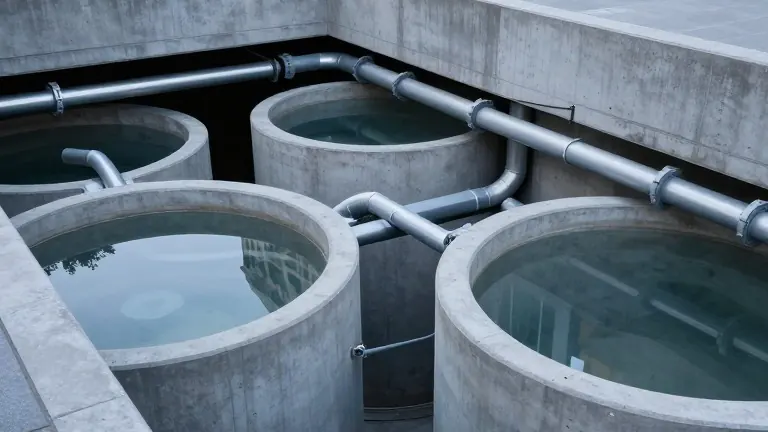
Nearly 1.7 million gallons of additional stormwater capacity is being added to Chicago's infrastructure through a new pilot program on the West Side. This expansion is part of a broader effort by the Chicago Department of Water Management to handle heavier rainfall and aging sewers. Commissioner Randy Conner, who has led the department twice in the last decade, says the city's challenges have changed since 2020.
The department is partnering with the Metropolitan Water Reclamation District of Greater Chicago to install underground storage units. These units are designed to temporarily hold runoff during heavy rain events. By capturing water underground, the system gives local sewers more room to process flow. This approach aims to prevent the consequences of overwhelmed infrastructure, such as flooded streets and property damage.
Conner notes that recent summer rainfall exposed limits in systems built over generations. The city is now using engineering principles in new ways to solve these problems. The pilot project represents a shift toward rethinking what a modern water utility must do. It is one of several new approaches the department is exploring to manage stormwater more effectively.
The department is also working on a historic effort to remove lead service lines. Conner describes this as a critical public health priority and one of Chicago's largest infrastructure projects. The work requires changes in construction planning, maintenance, worker training, and resource allocation. The department must maintain its existing system while simultaneously replacing these lines.
Funding for these efforts is limited. The department is leveraging available funds and incorporating replacements into capital improvement projects. This strategy is intended to advance the work more efficiently and equitably across neighborhoods. Conner states that the city cannot choose between maintaining the current system and replacing lead lines; it must do both.
The water utility faces a dual task of preserving inherited infrastructure and building new systems. This requires strong partnerships and investment in the workforce. Conner emphasizes the need for a willingness to test new approaches to meet current demands. Employees are tasked with turning these plans into progress in neighborhoods across the city.
The responsibility of the department extends beyond simple maintenance. It involves improving the system for the next generation of Chicagoans. The work addresses specific issues like intense rainfall and localized flooding. It also tackles the long-term goal of eliminating lead from the water supply. These efforts are central to the department's mission of providing safe drinking water.
The pilot storage project on the West Side is a tangible step in this adaptation. It works in tandem with the lead line replacement program. Both initiatives require the department to operate with limited additional funding. The goal is to solve problems more effectively through collaboration with other agencies and innovative engineering solutions.