Illinois voters back Democrats in record spending year
Cook County residents participated in the most expensive midterm election in history, helping Democrats reclaim control of Congress while Republicans retained a slight advantage in total spending.
By Matthew Brooks ·

Voters in Cook County cast their ballots on Tuesday, November 3, 2026, in what is being described as the most expensive midterm election in history. Polls were open from 6 a.m. to 7 p.m. across the county, including in Chicago, Cicero, Evanston, Arlington Heights, Skokie, and Des Plaines. The election featured a U.S. Senate race, a governor's race with incumbent JB Pritzker seeking another term, and every U.S. House seat in the state.
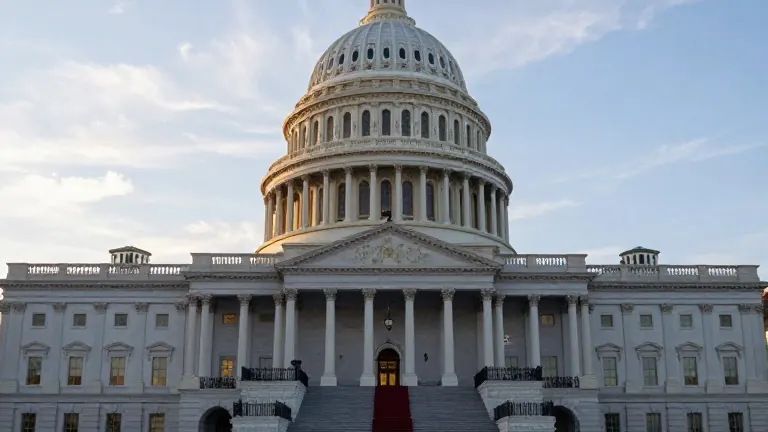
The final results confirm that Democrats won majorities in both the U.S. House and the Senate. Democrats picked up at least 43 House seats, including 42 previously held by Republicans and one held by an independent. In the Senate, Democrats won seven seats, all of which had been previously held by Republicans. As of 4 p.m. ET on November 6, Democrats held at least a 250 to 157 majority in the House and a 54 to 44 majority in the Senate.
This outcome represents a significant shift in power. Republicans suffered a net loss of at least seven U.S. Senate seats, a result that places this election in the top 20% of election years in terms of seat swings against a president’s party. This threshold is often defined as a wave election. While the House results were dramatic, the net loss of 42 seats by Republicans was slightly short of the 48 seats needed to qualify as a full wave election in that chamber.
Democrats also secured a majority of governorships for the first time since before the 2010 elections. In the state executive races, Democrats won 22 of the 36 gubernatorial races, while Republicans won 12. Five of these offices changed party control, all moving from Republican to Democratic hands. This success extended to other triplex offices, where Democrats won 21 of 34 attorney general races and 21 of 33 secretary of state races.
The financial backdrop of this election was unprecedented. The total spending reached figures that highlight the intensifying cost of political competition. Reports indicate that Republican committees held a slight edge in overall spending. However, Democrats maintained a candidate level edge in their expenditures.
Notable figures from the election cycle include an 88.1 percent statistic and a $850 million figure, which underscore the scale of the fundraising efforts. These numbers reflect the high stakes involved in securing control of Congress. The involvement of prominent figures, including Elon Musk, further highlighted the significant resources deployed in this race.
In Illinois, the results align with the national trend of Democratic gains. The state's U.S. House seats were all on the ballot, and the statewide races included the governor's office. The Democratic victory in the state legislative chambers contributed to the broader national trend. Democrats won 46 of the 88 state legislative chambers on the ballot nationwide, with 12 of those changing party control to Democrats.
For Cook County residents, the election was a pivotal moment in local and state politics. The county's diverse electorate played a key role in the statewide results. The shift in control of state government may impact local policies and funding. The Democratic trifectas in 20 states, including those in the Midwest, suggest a lasting change in the political landscape.
The election results also signal a potential shift in the balance of power in Washington. With Democrats controlling both chambers of Congress, the legislative agenda is likely to reflect their priorities. The Republican loss of Senate seats is particularly significant, as it limits their ability to block legislation. This dynamic will be closely watched in the coming months.
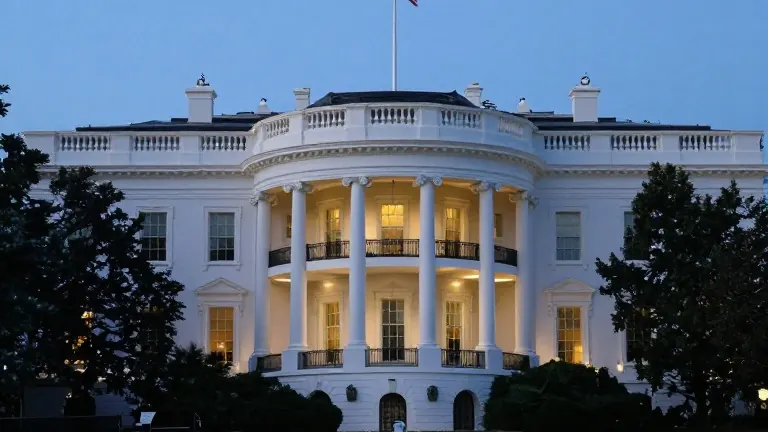
President Donald Trump reacted to the results by announcing changes in his administration. He replaced longtime adviser Susie Wiles with aide Stephen Miller as chief of staff. Miller is known for his role in the administration's hard line immigration policies. Trump also offered the job of White House press secretary to UFC boss Dana White, a move that surprised many observers.
The election's high cost and dramatic results have set the stage for a contentious legislative session. The Democratic majority in both chambers will face the challenge of passing key legislation. The Republican minority will likely focus on oversight and blocking specific bills. The coming months will determine whether this wave election leads to significant policy changes or if the divided government in some states creates gridlock.