Senate to vote on energy permitting bill after election shift
Bipartisan lawmakers seek to streamline approvals for data centers and power plants, a move that drew praise from Trump and opposition from environmental groups.
By Leila Mansour ·
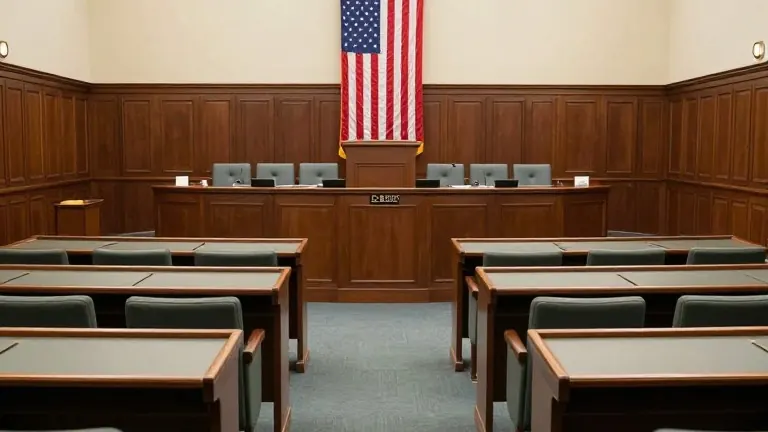
Senators are set to hold a procedural vote on Monday for a bipartisan energy bill that aims to cut years of delays in permitting major infrastructure projects. The measure would accelerate the start of both clean energy and fossil fuel developments while requiring data centers to cover the full cost of the electricity they consume. This action marks the first major legislative step following last week's midterm elections, which delivered a decisive defeat to President Donald Trump and congressional Republicans.
The legislation targets a bottleneck that has left many large energy projects stuck in the planning phase. Supporters argue that the current review process causes years of delays, driving up utility bills for American households. The bill's primary sponsors, two Democrats and two Republicans who lead the chamber's energy and environment panels, negotiated the framework weeks before the vote. They released a detailed set of amendments on Saturday to gather additional support for the measure.
President Trump urged senators to back the bill in a social media post on Sunday. He described it as a major victory for U.S. energy independence and dominance. Trump wrote that the legislation would allow the country to build pipelines, mines, and power plants at a faster pace, which he said would lower energy costs for American families. Major industry groups representing both clean energy developers and the oil and gas sector have also voiced their support for the package.
Environmental organizations, however, have criticized the deal. Groups including the Sierra Club and the National Wildlife Federation argue the bill weakens environmental safeguards and locks in fossil fuel development. They contend that the changes make it harder for local communities to challenge project approvals. The bill would alter the National Environmental Policy Act, a 1970 law that requires federal agencies to consider a project's impacts and allows the public to be heard before approval.
The shift in power following the midterms could complicate the bill's passage. Some Democrats suggest the party should use its new strength to pass legislation that prioritizes clean energy while limiting the expansion of oil, natural gas, and mining. Critics warn that the current proposal could lead to a large increase in exports of liquefied natural gas and facilitate a rapid build-out of data centers powered by natural gas. House Minority Leader Hakeem Jeffries, who is expected to become speaker in January, said last week that the bill falls short in several areas.
The four main champions of the bill are Republican Sens. Shelley Moore Capito of West Virginia and Mike Lee of Utah, and Democratic Sens. Martin Heinrich of New Mexico and Sheldon Whitehouse of Rhode Island. Senator Whitehouse noted that a specific provision in the bill would end the practice of the administration paying energy companies to walk away from offshore wind projects. The Trump administration has spent nearly $4 billion on such settlements, and Whitehouse said the new rule prevents the use of public money to pay clean energy developers to relinquish wind leases.
Senator Heinrich said he worked closely with tribal leaders to incorporate feedback into the initial proposal. The amended version requires federal agencies to consult with tribes on projects that affect important cultural sites. He added that sponsors extended the window for objections to agency reports and strengthened opportunities for states to weigh in on decisions. At a press conference on Monday, Whitehouse described the bill as the floor rather than the ceiling of climate and environmental aspirations.
The sponsors claim that if passed, the bill will save households billions on electricity costs and create jobs. They also argue it will cut emissions and force large corporations to pay their full share for data centers instead of pushing those costs onto consumers. The bill's path forward now depends on the Senate's vote on Monday, with the House expected to take up the issue after the new Congress convenes.