Democrats seize Congress, Illinois Senate open as Pritzker faces re-election
A historic wave of Democratic victories reshapes Washington and Springfield, with Cook County voters deciding control of the state and federal government.
By Andrew Hayes ·
Voters across Cook County concluded a historic Tuesday, November 3, as the results of the 2026 midterm elections solidified a major shift in political power both in Springfield and Washington. The day began with polls opening at 6 a.m. and closing at 7 p.m. in Chicago, Cicero, Evanston, Arlington Heights, Skokie, and Des Plaines, allowing residents to cast ballots for federal, state, and local offices. The election served as a decisive referendum on the current administration, with voters expressing deep dissatisfaction with high prices and government corruption. As the tallies emerged, it became clear that the electorate had demanded significant change, setting the stage for a new balance of power in the coming years.
In the most consequential race for Illinois, the open U.S. Senate seat became the focal point of a statewide battle between Democratic and Republican candidates. The race, which had no incumbent, saw a Democratic candidate emerge as the winner, securing a critical seat for the party in the upper chamber. This victory aligns with the broader national trend where Democrats gained at least seven Senate seats, all previously held by Republicans. For Cook County residents, this result means a stronger Democratic presence in the Senate, which holds the power to confirm judges, treaties, and executive appointments. The shift in the Senate also amplifies the voice of Illinois in national legislative debates.
Statewide, incumbent Governor JB Pritzker faced a re-election bid against Republican, Green, and Independent challengers. The governor, who has led the state through various economic and political challenges, secured a victory that extends his tenure in the governor's mansion. This win is significant for the state's direction, as Pritzker will continue to implement his agenda for the remaining term. For the towns of Cook County, the governor's continued leadership offers a degree of policy stability, particularly regarding infrastructure and education initiatives that affect local communities. The governor's victory also ensures that the state's executive branch remains aligned with the newly empowered Democratic majority in the state legislature.
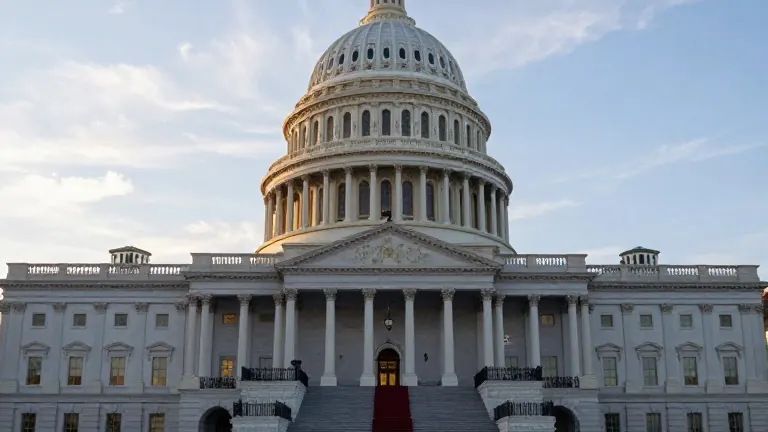
The U.S. House of Representatives saw a dramatic realignment, with Democrats winning at least 43 seats from Republicans, resulting in a projected majority of 250 to 157. In Illinois, every U.S. House seat was on the ballot, and the outcomes reflect the national wave. Democratic candidates in Cook County districts performed strongly, contributing to the party's overall gains. This shift in the House allows Democrats to control the legislative agenda, including oversight of the executive branch. For local constituents, this means increased potential for scrutiny of federal policies that impact the region, such as trade tariffs and economic relief measures that were central to the election discourse.
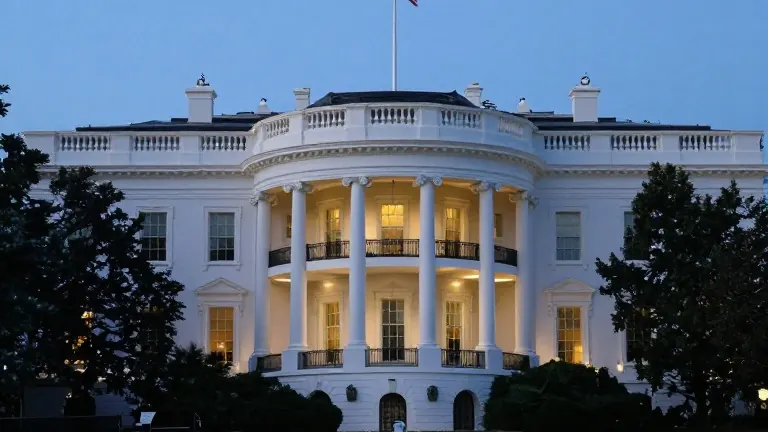
Nationally, the election results marked a wave that placed Democrats in control of both chambers of Congress for the first time in a significant period. This change in control allows the new congressional leadership to launch aggressive investigations into the executive branch, a priority for many incoming members. President Donald Trump reacted swiftly to the results, declaring on social media that the investigative requests from Democrats constitute extortion. This rhetoric sets the tone for a contentious relationship between the White House and the new Congress, which could have ripple effects on federal spending and policy implementation in Illinois. The conflict may influence how federal funds are allocated to the state, a key concern for local officials in Cook County.
Beyond the federal races, the election produced a wave of historic firsts that resonated with voters across the country. Peggy Flanagan of Minnesota became the first Native American woman elected to the U.S. Senate, while Deb Haaland of New Mexico became the first Native American woman to win a state governorship. These milestones reflect a broader trend of diverse candidates winning office, a development that many Cook County voters noted with approval. The election also saw Crystalyne Curley become the first woman president of the Navajo Nation, further highlighting the growing representation of women and underrepresented groups in political leadership. These victories suggest a changing landscape in American politics that may influence future candidate selections in Illinois.
In the state of Illinois, the control of the state legislative chambers also shifted, with Democrats winning a majority in both the state Senate and the state House. This trifecta of power, combined with the governor's victory, gives the Democratic party comprehensive control over the state's government. For Cook County, this means that state legislation will likely align with the party's platform, which includes initiatives to lower the cost of living and improve public services. The local municipalities, including Chicago and its surrounding suburbs, will work closely with the state government to address issues such as housing affordability and transportation infrastructure. The unified control also reduces the likelihood of legislative gridlock, potentially speeding up the passage of bills that affect local communities.
The economic backdrop of the election was defined by voter frustration with inflation and high prices. A poll of midterm voters indicated that about three-quarters felt the economy was not good or poor, with eight in ten reporting financial hardship due to inflation. This economic anxiety was a driving force behind the Democratic victory, as candidates campaigned on promises to provide relief to struggling households. For residents of Cook County, who face some of the highest costs of living in the nation, the election results offer hope for policy changes that could ease financial burdens. The new Congress and state government are expected to prioritize economic legislation in the coming months, with a focus on making essentials like gas and groceries more affordable.