Four Added to Michigan Endowment Case
Federal prosecutors expanded the indictment to eight individuals accused of pressuring university leaders during the Israel-Hamas war.
By Aiko Sato ·
Federal prosecutors in Detroit filed new charges against four individuals on Friday. They face allegations of criminal intimidation aimed at University of Michigan officials. The goal, according to the government, was to force the school to sever financial links with Israel.
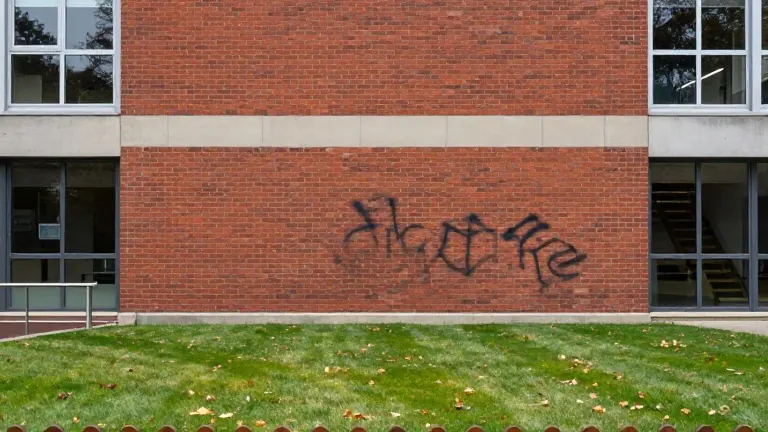
This indictment marks the second phase of a case that began in June. At that time, four people were already charged. The new filings bring the total number of accused defendants to eight. The investigation centers on a series of disruptive events that occurred over several years. These incidents included the placement of fake bloody corpses in the yard of a university board member. In 2024, anti-Israel messages were spray-painted on the home of Santa Ono, who served as university president during that period.
Two of the newly charged individuals were taken into custody. They are scheduled to appear in court for the first time on Friday. The other two remain at large. U.S. Attorney Jerome Gorgon Jr. commented on the case, stating, 'From Pharaoh to Hitler to Hamas, those who terrorize Jews have been the bad guys. As Americans, our job is to fight the bad guys.'
The legal dispute follows the outbreak of the Israel-Hamas war. Pro-Palestinian student groups have demanded that the university's endowment stop investing in companies with connections to Israel. University representatives have noted that less than 0.1% of their total endowment is held in funds that may include Israeli companies. Following the initial charges in June, defense lawyers criticized the federal involvement. John Philo of the Sugar Law Center in Detroit argued that the government was pursuing acts typically handled by local prosecutors.
The case also references a 2024 pro-Palestinian encampment on campus. The university cited public safety concerns when it addressed that event. The current federal case continues to draw attention to the intersection of student activism and corporate investment policies.