Illinois Hemp Group Sues State Officials Over Upcoming THC Beverage Ban
The Illinois Healthy Alternatives Association seeks a court order to pause the state's new Hemp Act before it takes effect next week.
By Aiko Sato ·
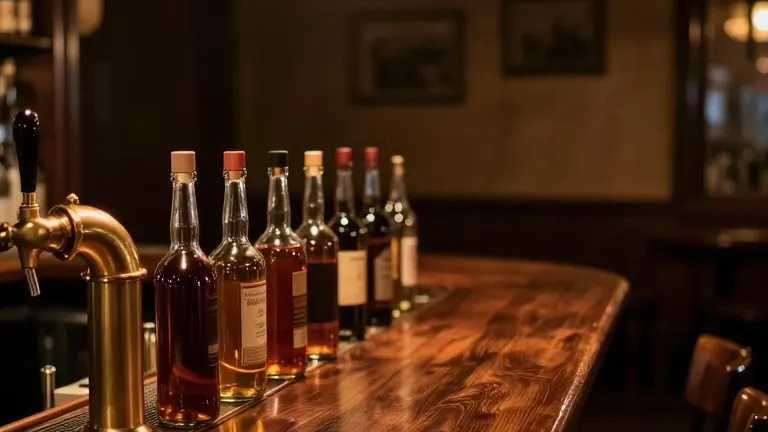
More than $500 million in sales from the hemp industry are at stake as state officials prepare to enforce a new law next week. The Illinois Healthy Alternatives Association filed a lawsuit on Thursday against Attorney General Kwame Raoul and other state leaders. The group is asking a judge for a temporary restraining order and a preliminary injunction. They want to stop the Illinois Hemp Act from taking effect on Nov. 12. The law would ban the sale of hemp-derived THC beverages and cannabinoid products outside of licensed dispensaries. The association argues the new rules violate the Commerce Clause of the U.S. Constitution. They claim the law contains other fatal constitutional defects. If the court agrees, the state cannot reclassify hemp products as cannabis. This pause would keep the industry operating while the legal challenge proceeds.
The hemp industry employs thousands of people across Illinois. Last year, it generated over $500 million in sales. The state collected $30 million in tax revenue from that activity, according to the trade group. Chicago breweries have turned to hemp-derived THC drinks to survive a shrinking craft beer market. Revolution, Hopewell, and Marz are among the local businesses that rely on these products. Jonathan Fritz, co-founder of Hopewell Brewing Co., said the ban will completely eliminate the THC beverage category. He noted that many consumers have safely integrated these drinks into their routines. Fritz said the law creates major disruption for businesses that have been producing and selling these products responsibly. He stated that state legislators failed the industry by choosing prohibition over regulation.
Hemp-derived THC products entered the market through a loophole in the 2018 Farm Bill. That federal law made it legal to grow hemp. Hemp is the same plant species as cannabis, and both contain delta-9 THC. The 2018 law set a limit of 0.3 percent delta-9 THC on a dry weight basis. Regulators assumed that concentration was too low to cause intoxication. Cannabis plants often contain much higher levels, with some reaching 30 percent. Companies developed ways to concentrate the THC. This allowed them to sell hemp-based beverages and gummies in states that had not legalized cannabis. Critics argue that a lack of regulation allowed a black market to grow in smoke shops. They say this has led to underage customers buying THC products.
City officials have also moved to restrict these sales. Aldermen Marty Quinn and Silvana Tabares banned hemp product sales in their wards on the Southwest Side last year. A citywide ban passed the City Council earlier this year. Mayor Brandon Johnson vetoed that measure. With the state ban looming, producers are unloading inventory and halting production. Plift, a THC beverage company, is hosting a fundraising event on Tuesday. The event is titled “last call” and will take place at Duffy’s Tavern and Grille at 420 W. Diversey Parkway. A spokesperson said the company hopes to achieve the largest simultaneous THC beverage toast. The state law is set to take effect on Nov. 12. A federal ban on intoxicating hemp products is scheduled to begin on Dec. 11. Pending legislation could extend that federal deadline to 2028.