New Hampshire Voters Decide School Tax Caps in Tuesday's Election
A 64 percent approval threshold may be required for the measure, a lower bar than previous estimates suggested.
By Andrew Hayes ·
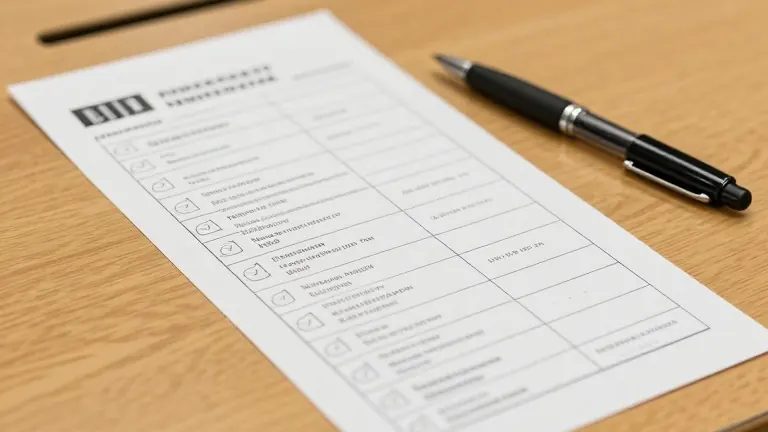
New Hampshire voters will decide Tuesday whether to impose strict limits on local school property taxes and administrative spending. The measure, known as Question 2, seeks to cap annual tax increases at the rate of inflation plus new construction. It also limits School Administration Unit costs to 6 percent of the total district budget.
The Department of Revenue Administration estimates it needs $100,000 to reconfigure its systems to enforce these rules. If a district adopts the cap, it takes effect for the 2027-2028 school year. Districts can override the limit with a three-fifths majority vote. The state defines net new taxable property growth as physical changes that increase market value, excluding market appreciation and revaluation.
The question originates from Republican efforts to control school costs. House Majority Leader Jason Osborne introduced a statewide cap bill after the Kearsarge Regional School District voters rejected a local budget cap in 2025. Osborne stated that if voters would not cap themselves, the state would step in. His initial bill, HB 675, failed in January. Legislators then passed HB 1300, which Governor Kelly Ayotte signed as the Taxpayer Protection Act.
Supporters argue the cap will provide relief from rising taxes. They contend that special interests, such as teachers and parents, have blocked previous attempts at cost control by turning out in large numbers at local meetings. Opponents counter that the cap will force cuts to programs, sports, and staff while class sizes grow. They note that personnel costs already account for 80 percent of the average district budget.
Two parents challenged the ballot question, arguing it was unconstitutional and confusing. The Supreme Court upheld the lower court's decision to allow the question on the ballot. The measure requires a three-fifths majority of votes cast to pass. Recent guidance from the Attorney General's Office states that blank votes will not count toward the denominator.
This interpretation lowers the threshold for passage. A Saint Anselm College poll showed 57 percent support, 32 percent opposition, and 19 percent undecided. Under the Attorney General's counting method, the support level rises to 64 percent. The Attorney General's Office says this method matches the standard for constitutional amendments.
The state currently pays only 19 percent of public education costs, the lowest share in the nation. The national average is 47 percent. Since 2011, local property taxes have absorbed the 35 percent retirement cost share that the state legislature stopped paying. The state has also not fully funded its share of special education expenses.
The ballot language presents two distinct caps in a single question. Voters cannot approve one limit while rejecting the other. A yes vote accepts both the tax cap and the administrative spending cap. A no vote rejects both. The measure does not affect municipal or county property taxes, which continue to rise independently.
School boards retain control over how they allocate funds within the new limits. If a tax rate exceeds the cap, the board must reduce the budget to match the allowable amount. The Department of Revenue Administration must certify the data and reject any tax rate that goes over the limit.