
Walnuts Top Registered Dietitian's List of Plant Proteins for Fighting Inflammation
Natalie Rizzo points to walnuts, edamame, chia seeds and hemp seeds as sources of antioxidants, fiber and omega-3 fats.
By Andrew Hayes ·
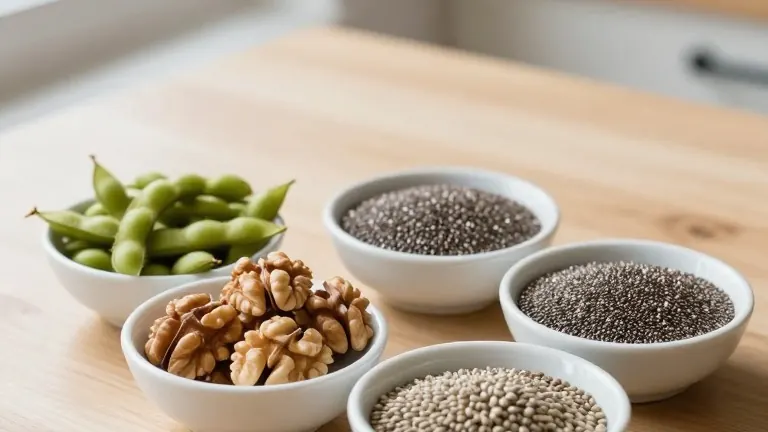
Walnuts lead the list of plant proteins a registered dietitian recommends for lowering inflammation.
Rizzo points to the compounds in these foods. "Antioxidants and polyphenols, unsaturated fats and fiber are all anti-inflammatory," she says, adding that they show up in many plant foods. Antioxidants neutralize free radicals, unstable molecules that can damage cells. Unsaturated fats, she says, "tend to replace pro-inflammatory saturated fats" in a person's diet. Fiber "supports beneficial gut bacteria that produce compounds linked with lower inflammation," Rizzo says. She recommends eating a mix of these foods rather than relying on any single compound, because no one antioxidant or anti-inflammatory does everything.
A 1-ounce serving of walnuts carries about 4 grams of protein and 2 grams of fiber. Walnuts also supply antioxidants and alpha-linolenic acid, the plant-based omega-3 fatty acid. "Omega-3 fats are involved in regulating the body's inflammatory processes," Rizzo says. She suggests putting walnuts on oatmeal, yogurt or salads, or roasting them with maple syrup and cinnamon for a snack.
Edamame come next on her list. A half-cup serving holds 9 grams of protein and 4 grams of fiber. "Soy is a complete plant protein and provides isoflavones, which have antioxidant and potentially anti-inflammatory properties," Rizzo says. Tofu and soy milk carry those isoflavones too, though edamame also bring fiber. Rizzo roasts them with savory seasonings for a crispy snack, or adds them to noodles and stir fries.
For unsaturated fats, Rizzo recommends chia seeds. A 2-tablespoon serving provides 10 grams of fiber and 5 grams of protein. Hemp seeds offer a different balance: a 3-tablespoon serving carries 10 grams of protein, and hemp seeds are also high in ALAs. Chia seeds mix into overnight oats or chia pudding with fresh fruit, while hemp seeds go into smoothies or baking.
Rizzo, a registered dietitian and TODAY nutrition editor, describes inflammation as "a normal part of the body's immune response," while noting that "chronic inflammation is associated with conditions like cardiovascular disease and Type 2 diabetes." She says eating anti-inflammatory foods regularly can reduce or eliminate chronic inflammation.
Source: NBC Chicago · original report published