Breaking: AI Bubble Fears Drive $2.5 Trillion Wipeout in Tech Stocks
Democratic midterm victories and industry leaders' admissions of surprise mark a sharp reversal in the artificial intelligence trade.
By Marco Alvarez ·
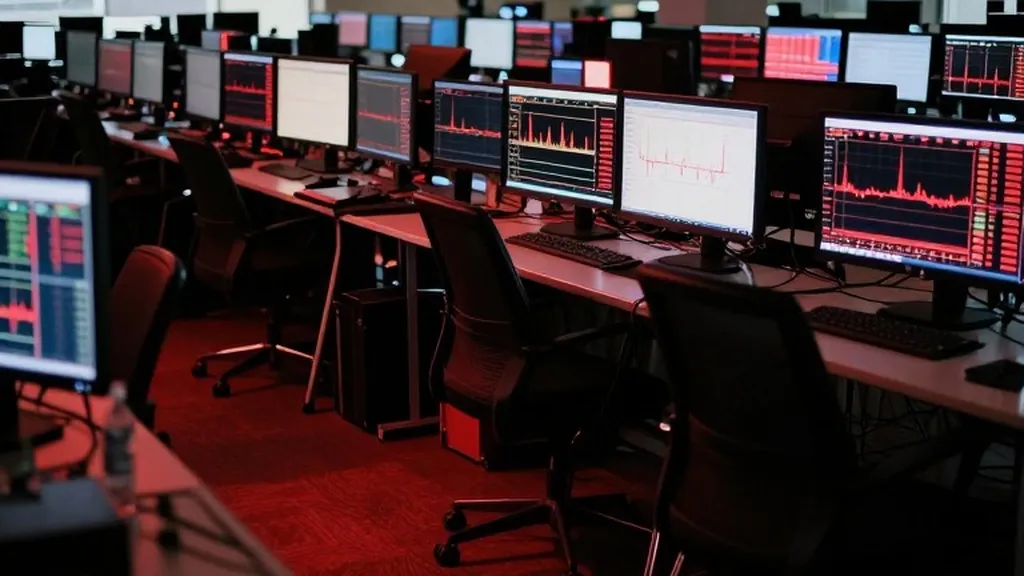
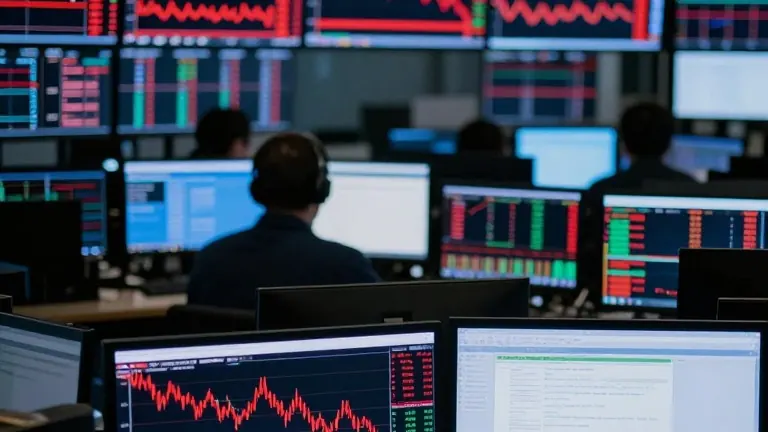
The artificial intelligence sector faced a severe reckoning on Thursday as Wall Street digested the political implications of Tuesday's midterm elections. The Nasdaq Composite fell 5.5 percent, marking its worst day in 18 months and closing more than 11 percent below its recent record. This decline places the index in correction territory, a term used when a market falls at least 10 percent from its peak. An estimated $2.5 trillion in market value was wiped from the Nasdaq Composite during the session. The selling was not limited to a few companies but spread across every sector of the S&P 500, gathering pace as the day progressed.
The primary catalyst for the drop was the Democratic sweep of the House and Senate. Voters across the country rejected data centers in a series of local ballots, and Democrats campaigned on slowing the spread of these facilities. In Texas, Democrat Gina Hinojosa won the governor's race after promising an immediate moratorium on new data center construction. Investors are now weighing whether these state-level restrictions will slow the physical buildout of AI infrastructure. This political shift has collided with existing fears that the massive sums spent on AI may not deliver the expected financial returns, fueling speculation that the sector is in a bubble.
Industry leaders expressed surprise at the intensity of the backlash during the WSJ Tech conference in Napa, California. Greg Brockman, president and co-founder of OpenAI, noted that the company has had to adjust its approach to building infrastructure in states like Texas and Georgia. He stated, "A lot of our shift over the course of this year has really been to realise that from San Francisco trying to build infrastructure in Texas, Georgia, and other places, you can't just tweet and say: 'This is going to be good.' You need to be in those communities." His comments highlighted a gap between the tech industry's expectations and local community sentiment regarding the expansion of data centers.
Dina Powell McCormick, president of Meta, echoed this sentiment at the same conference, arguing that the industry must do more to explain its value to the public. She told attendees, "I think we need to double and triple down on telling the story." These admissions from top executives underscore the industry's realization that technical success alone is no longer sufficient to secure approval for new facilities. The political landscape has shifted to prioritize local concerns, forcing tech companies to engage more directly with the communities where they build.
Susannah Streeter, chief investment strategist at Wealth Club, warned that the market is currently grappling with a dual threat. She stated, "Fresh panic over the AI trade has hit Wall Street hard. Fears that the vast sums poured into AI infrastructure may not deliver the returns investors have been banking on are now colliding with the prospect of a sharp slowdown in data centre construction." Streeter's analysis reflects the broader anxiety among investors who had been banking on continuous growth in the AI sector without significant regulatory or political friction.
The selling pressure was most visible in chip and AI stocks, which led the market's decline. Nvidia fell 9.2 percent, losing more than $400 billion in market value, while the Philadelphia Semiconductor Index fell more than 12 percent. This index has dropped more than 30 percent since the beginning of October and stands almost 40 percent below its June peak. The iShares Semiconductor ETF fell 12 percent, its worst day since the market breakout in March 2020. The Magnificent Seven technology companies, including Apple and Tesla, shed about $1 trillion in value in the single trading day, illustrating the broad reach of the selloff.
For local readers in Cook County, a day like this has tangible implications for retirement accounts and savings. The Dow Jones Industrial Average fell more than 1,800 points, a drop of 3.4 percent, erasing the gains made on Wednesday. When the broad market falls, the value of 401(k) plans and other investment portfolios typically declines as well. While the 10-year Treasury yield fell to 4.83 percent as investors sought safety in bonds, the volatility in equities means that savers and small investors may see their paper wealth reduced significantly in a short period. This fluctuation is a reminder that market values can change rapidly in response to political events and sector-specific news.
Strategists are divided on how long this turbulence will last. Gene Goldman, chief investment officer at Cetera Financial Group, described the sell-off as "exaggerated" and predicted a recovery, noting that corrections in a bull market are typically short-lived. In contrast, Frank Cappelleri of CappThesis pointed out that while the Nasdaq was higher 12 months after the election in most midterm cycles since 1974, the path can be volatile. Historical data shows that while the Nasdaq often recovers within six months, the 2022 correction was an exception where losses continued for a year. Investors are now watching for signs of stability as the market adjusts to the new political reality.
The fear gauge known as the Cboe Volatility Index jumped as much as 5.7 points to above 28, its highest reading since March 31, 2026. This spike indicates a significant increase in uncertainty among traders. By midday, nearly 800,000 VIX call options had traded, which is 3.5 times the 30-day average, suggesting that many investors are buying insurance against further declines. The market's reaction to the election results has reversed the optimism seen just a day earlier, when the Dow had its biggest gain of the year. As the week ends, the focus remains on whether the AI trade can stabilize or if the political hurdles will lead to a prolonged period of adjustment for the technology sector.
More Business · Consumer Alerts · Report a business · Got a Story?