Cook County readers share decades of Halloween memories
Residents from Tinley Park to Niles describe trick-or-treating routines, costume choices, and family bonds from past decades.
By Leila Mansour ·
Cook County readers submitted a collection of personal accounts to the Chicago Tribune detailing Halloween traditions from previous decades. The letters, published on Friday, offer a look back at how residents celebrated the holiday before modern decorations and digital communication became standard. Writers from across the county described specific rituals, family dynamics, and neighborhood interactions that shaped their childhood experiences.
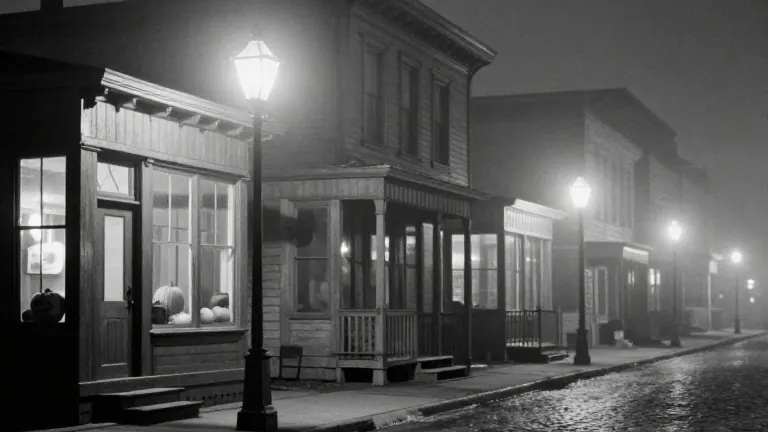
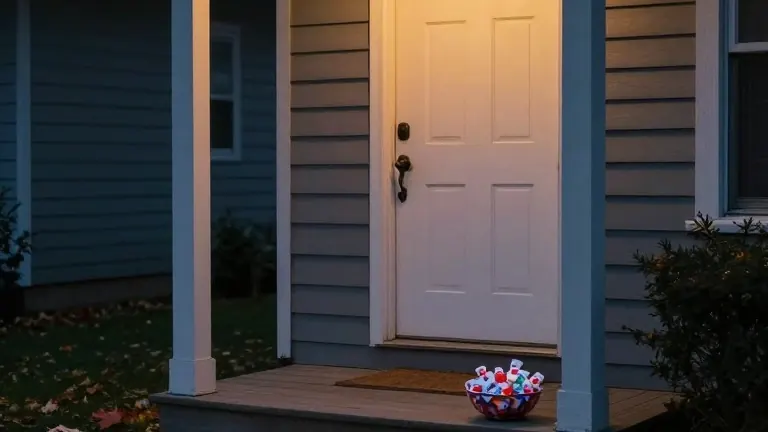
Bob Paszczyk of Tinley Park recalled growing up in Hegewisch during the 1950s. He described a community of blue-collar workers who lacked elaborate pumpkins or ghost decorations. Instead, a lit porch light signaled to children that candy was available. Paszczyk noted that trick-or-treating in that neighborhood was not a single-night event. Groups of children started in the eastern section, known as Arizona, and moved westward toward the back of the park over several days. He stated that residents did not mind the repeated visits or the simple costumes, viewing the exchange as a time of sincere giving.
Kristen M. Scott of Deerfield wrote about her son Daniel, who has autism. She explained that Halloween was one of the few holidays that proceeded as planned when her children were young. Daniel associated orange decorations with a trip to Didier Farms, where he selected the first pumpkin he saw. He enjoyed carving the pumpkins and watching the candlelight. Scott described how her daughter Natalie managed Daniel's costumes, including a Mr. Potato Head outfit in 1997 that Natalie disliked but tolerated for her brother. She remembered watching them walk down the sidewalk at dusk, with Natalie coaching Daniel to say trick or treat.
Kathleen Melia of Niles shared a memory from when she and her best friend Connie were 14 years old. They trick-or-treated on a chilly evening to enjoy the attention from adults who greeted them as young children. A stern homeowner ended the outing after noting that both girls were over 5 feet tall. He told them they were too old for the activity and slammed his door. Melia said the pair sat on a curb for an hour, eating candy and reflecting on the age restrictions of adolescence.
Janice Weindorf of Chicago described a trick-or-treating method used by her family in a central Illinois town. She and her siblings prepared for the holiday weeks in advance by gathering ears of corn near a field. They shucked the kernels into a coffee can, a process that left blisters on their thumbs. On Halloween night, they would toss the corn onto wooden porches to create a loud clattering noise before running away. Weindorf recalled returning to trick-or-treat at a house she had previously tricked. The neighbor suspected she was responsible for the noise but still gave her a treat.
Bernadette Marcis of Schaumburg grew up in Norridge during the 1950s. Her older brothers targeted apartment buildings on Lawrence Avenue to collect candy, using pillowcases to carry their hauls. Marcis noted that her group of children expanded as they walked through the neighborhood. She described wearing a nurse costume for four years, which included a white uniform, a red tie, and a blue cape. She remembered neighbors leaving candy on front stoops and one resident weaving gumballs through iron railings for the children to collect.
Mimi Gember of Wheeling credited her father with instilling her love for Halloween. He was an artist who helped her design costumes and apply makeup. Gember listed several outfits, including a clown, a werewolf, and a flapper. She highlighted the year her father dressed as Count Dracula. He wore a black cape and a top hat and floated through the neighborhood in silence. Neighbors and their children were frightened by his appearance. Gember is now 64 and still dresses up for the holiday with her husband.
The Tribune invited readers to submit letters of no more than 400 words to the editor by email or online. The publication noted that the high volume of responses resulted in some letters appearing online only.
More Culture · Chicago news · Report a business · Got a Story?