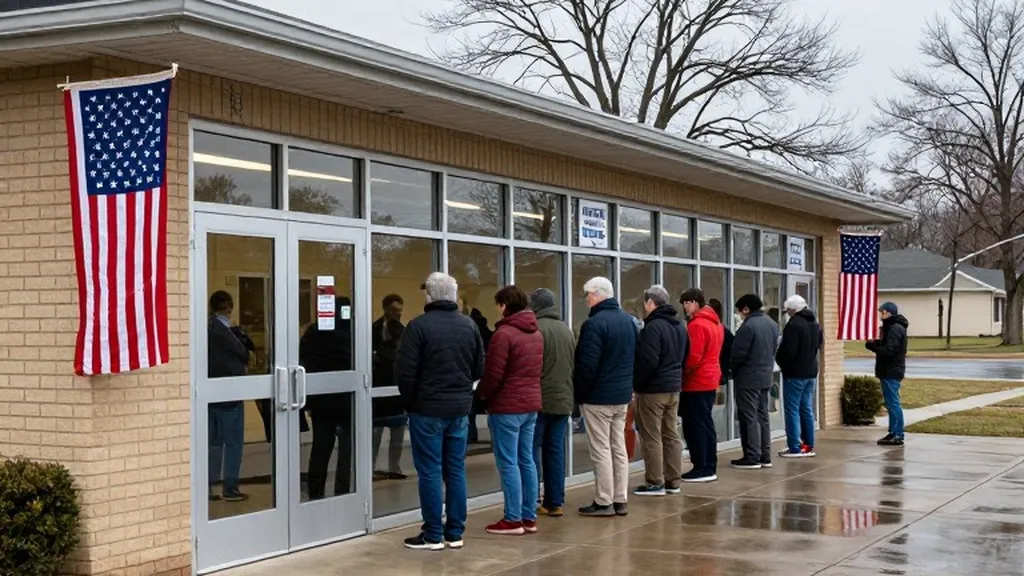
Illinois voters face open Senate seat and Pritzker re-election bid
In Cook County, polls are open for an open U.S. Senate seat and a gubernatorial contest, while voters nationwide decide the fate of 36 governorships and the balance of power in Congress.
By Marco Alvarez ·
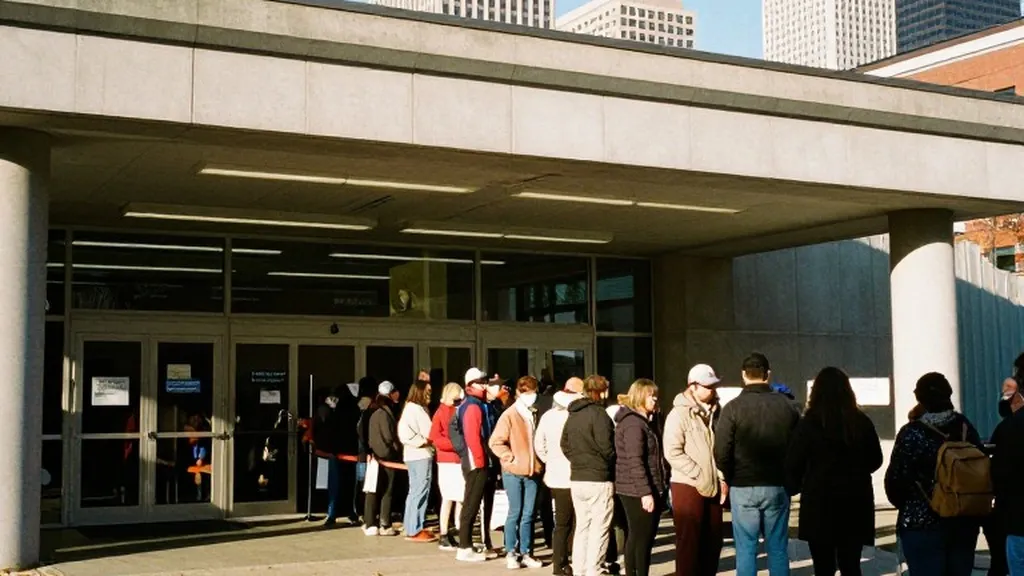
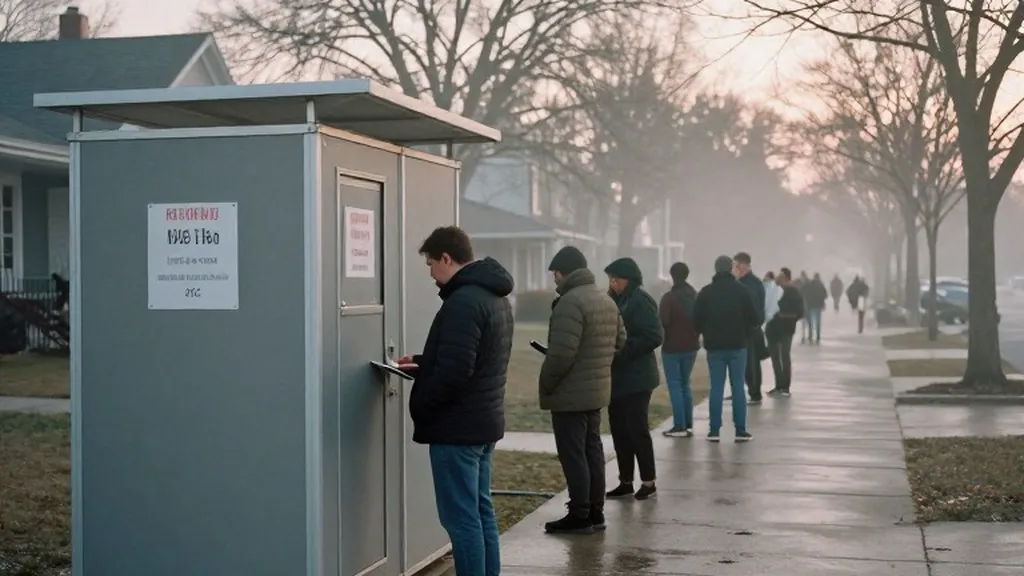
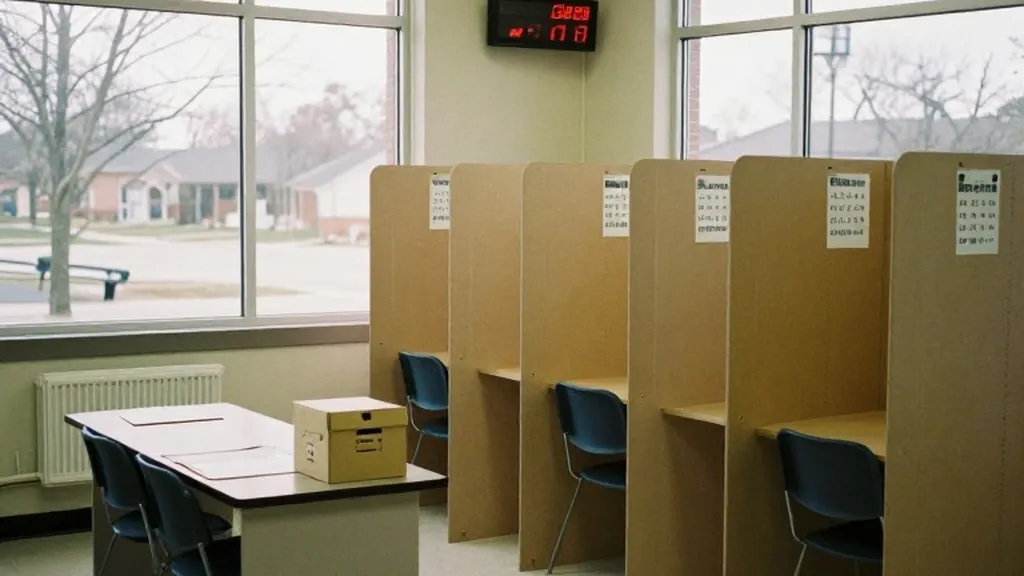
Polls across Cook County opened at 6 a.m. On Tuesday, November 3, and will remain open until 7 p.m. Residents in Chicago, Cicero, Evanston, Arlington Heights, Skokie, and Des Plaines are heading to the polls to cast ballots for a full slate of federal, state, and local offices. The day marks the midpoint of President Donald Trump's second term, and the results will determine which party controls Congress for the final two years of his administration.
Illinois voters face a particularly consequential race for the U.S. Senate, which is an open seat with no incumbent running for re-election. The Democratic and Republican parties are the primary contenders in this federal contest. At the state level, incumbent Governor JB Pritzker, a Democrat, is running for re-election against candidates from the Green, Independent, and Republican parties. Every U.S. House seat in the state is also on the ballot, alongside state and local offices that vary by county.
The national picture is defined by a series of tight races in the governor's mansion. 36 governorships are on the ballot in this midterm election. Heading into the day, Republicans hold 26 governor's offices and Democrats hold 24. Of the specific offices currently on the ballot, each party holds 18 seats. This balanced split means that even small shifts in voting patterns could determine which party controls the majority of executive power across the states.
A significant portion of these governor races are open contests. 19 of the 36 races have no incumbent on the ballot. Fifteen governors are term-limited and thus cannot seek another term. Additionally, Iowa's Kim Reynolds, Minnesota's Tim Walz, and Wisconsin's Tony Evers chose not to run for re-election. Rhode Island's Daniel McKee also left the race after losing his primary. Democrats need a net gain of two governorships to claim a nationwide majority, a position Republicans have held since 2010.
Nine states are identified as battlegrounds for the governor's race, including Alaska, Arizona, Georgia, Iowa, Kansas, Michigan, Nevada, Ohio, and Wisconsin. In Georgia, Republican health care executive Rick Jackson faces Democratic former Atlanta Mayor Keisha Lance Bottoms. In Nevada, Republican Governor Joe Lombardo is running against Democratic Attorney General Aaron Ford. Economic strain and tariffs have made states like Maine competitive, though Maine is primarily cited for its Senate race.
The Associated Press describes the election as a referendum on the current administration, with voters struggling with high prices and expressing anger over an unpopular war with Iran. AP-NORC polling indicates that 35 percent of U.S. Adults approve of Trump's job performance, while only 25 percent approve of his handling of the economy. About seven in 10 Americans say the country is heading in the wrong direction, and most of these voters blame the president for rising costs.
In the U.S. Senate, 35 of 100 seats are up for grabs, including 33 regular elections and two special elections for the remaining terms of Marco Rubio and JD Vance. Republicans hold 53 seats, Democrats hold 45, and two independents caucus with the Democrats. Democrats need a net gain of four seats to secure a majority, while Republicans can afford to lose only two. Eleven senators are not running again, including Joni Ernst of Iowa, Gary Peters of Michigan, and Steve Daines of Montana.
The U.S. House race is equally critical, with all 435 seats on the ballot. Republicans currently hold 218 seats, Democrats hold 214, and one seat is held by an independent. Democrats need a net gain of three districts to take control of the chamber. Sixty House incumbents, including 23 Democrats and 37 Republicans, are not running again. Ballotpedia counts 46 battleground districts, with 21 of the Democratic-held districts having voted for Trump in 2024 and nine Republican-held districts voting for Kamala Harris.
Election administration has been a point of contention in the lead-up to Tuesday. A federal judge temporarily barred the Trump administration from carrying out a plan it says would prevent noncitizen voting, a move critics argued risked disenfranchising eligible voters. Another judge ordered the administration to stop demanding that California election officials segregate ballots cast by people on lists of suspected noncitizens. The U.S. Postal Service added extra hours and staff to ensure mail ballots are counted on time.
The 2026 elections are expected to be the most expensive in history, with Republican committees out-raising and out-spending their Democratic counterparts. 88.1 percent of Republican general election TV ad spending went to states and districts that Trump won in 2024. This includes more than $850 million spent in areas where he won by 10 points or more. At the candidate level, however, Democrats out-raised their opponents.
Voters across the country have already cast a massive number of early votes, with more than 57 million people voting before Tuesday. This figure surpasses the early vote totals from four years ago in many closely watched states. In Illinois, the combination of an open Senate seat and a competitive gubernatorial race has drawn significant attention to the state's role in the national balance of power. As polls open, the focus remains on turnout, with both parties emphasizing the importance of every vote in determining the future of Congress and state leadership.