Cook County voters decide who controls Congress, state budget
With polls open from 6 a.m. To 7 p.m., residents in Chicago, Evanston, and surrounding towns cast ballots that will determine the balance of power in Washington and Springfield for the final two years of President Trump's term.
By Marco Alvarez ·
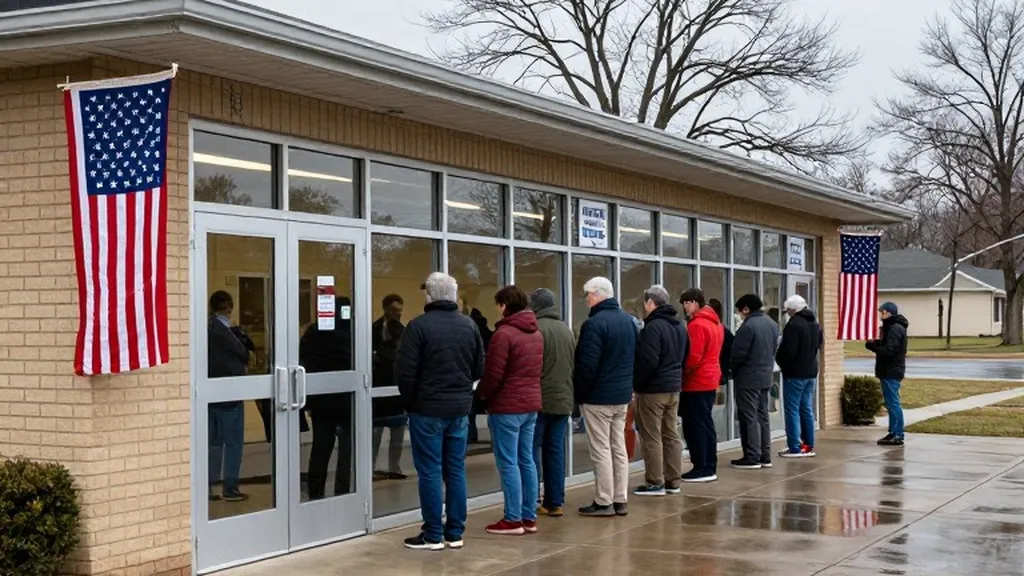
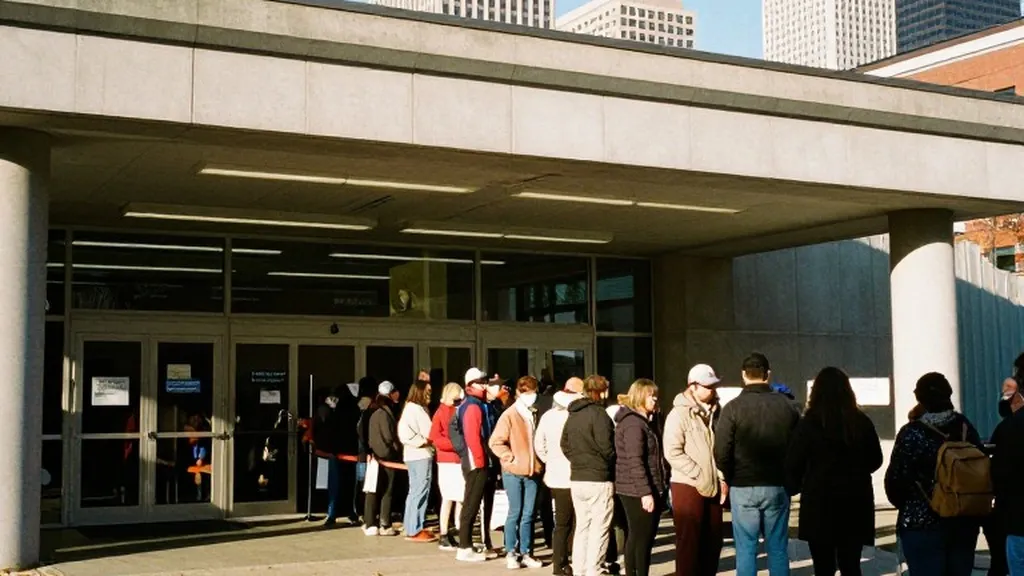
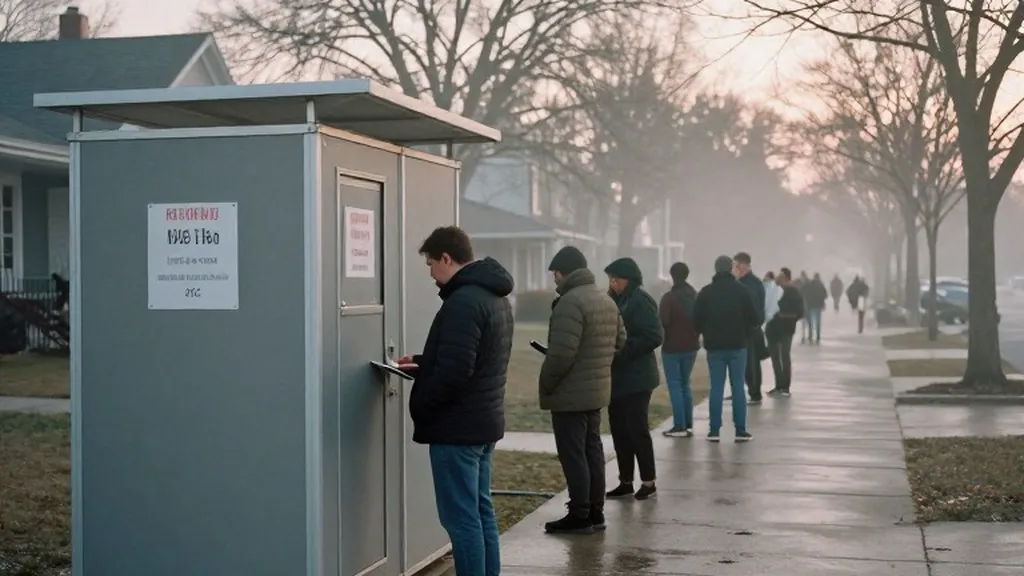
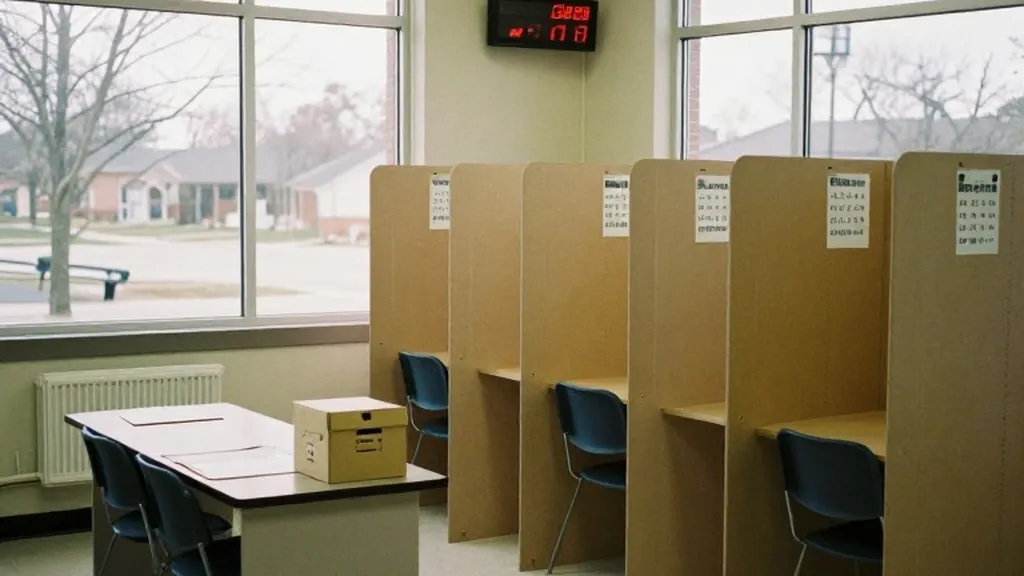
Polls across Cook County opened at 6 a.m. On Tuesday, November 3, 2026, marking the start of the midterm election. Illinois voters will remain able to cast their ballots until 7 p.m. Local time. Residents in major municipalities including Chicago, Cicero, Evanston, Arlington Heights, Skokie, and Des Plaines are heading to the polls to decide a slate of federal, state, and local offices. The day is critical for the state as voters select the next U.S. Senator, a new Governor, and all members of the state's congressional delegation. These races will define the political landscape in Illinois for the next four years and influence the national balance of power in Washington.
In Illinois, the U.S. Senate seat is an open race with no incumbent running for re-election. The ballot includes candidates from the Democratic and Republican parties. The race for Governor is also on the ballot, featuring incumbent Democratic Governor JB Pritzker, who is seeking a new term. The state's ballot also includes candidates for the Green and Independent parties. Voters in every district in the state are choosing a representative for the U.S. House of Representatives. Additionally, the ballot includes races for the state legislature, intermediate appellate courts, school boards, and municipal government offices, as well as local ballot measures that vary by county.
Beyond the state lines, these elections determine who will control Congress during the final two years of President Donald Trump's second term. This midterm election is widely viewed as a referendum on the president's performance. Voters are grappling with high prices and expressing anger over an unpopular war with Iran. Polling indicates that 35 percent of U.S. Adults approve of Trump's job performance, while only 25 percent approve of his handling of the economy. Approximately seven in ten respondents stated that the country is heading in the wrong direction, with most blaming the president for rising costs.
Control of the U.S. House of Representatives is a central focus of the national contest. All 435 seats are up for election. Republicans currently hold 218 seats, while Democrats hold 214, with one independent and some vacancies. Democrats need a net gain of three districts to secure a majority. Republicans can afford to lose no more than two seats to retain control. A significant number of incumbents are not running again, with 60 House members stepping aside, including 23 Democrats and 37 Republicans. 46 battleground districts are identified, with 25 currently held by Democrats and 21 by Republicans. The outcome in these districts will determine which party holds the gavel in the House.
The U.S. Senate race is equally pivotal, with 35 of the 100 seats on the ballot. This includes 33 regular elections and two special elections for the remainder of the terms held by Marco Rubio and JD Vance. Republicans hold 53 seats, while Democrats hold 45, plus two independents who caucus with the Democrats. Democrats need a net gain of four seats to achieve a majority in the Senate. Republicans can lose only two seats to maintain their current majority. Eleven senators are not running for re-election, including four Democrats and seven Republicans. Winners in these races will begin their six-year terms on January 3, 2027. The Associated Press notes that one or two seats could tip the balance of the chamber.
Governor races in 36 states are also part of the national picture. Republicans currently hold 26 governorships, while Democrats hold 24. Democrats would need a net gain of two governorships to achieve a nationwide majority, a position Republicans have held since 2010. In Illinois, the race for Governor is a key state contest that could influence the national tally. Democrats are hoping to hold a majority of governorships for the first time in two decades. The outcome of these races will affect state budgets and oversight capabilities, particularly in states with large populations like Illinois.
Financial stakes are high for the 2026 elections, which are expected to be the most expensive in history. Republican committees have outraised and outspent Democratic committees, aided by groups affiliated with President Trump and Elon Musk. However, at the candidate level, Democrats have outraised their opponents. An analysis of AdImpact data shows that 88.1 percent of Republican general election television ad spending went to states and districts Trump won in 2024. This includes more than $850 million spent in areas where he won by 10 points or more. This spending strategy reflects an effort to consolidate support in areas where the president performed well.
The mood among voters is described as one of caution and frustration. RNC Chairman Joe Gruters stated that everything depends on turnout, noting that if Republicans turn out their voters, they will win. In contrast, DCCC Chair Rep. Suzan DelBene said the American people are angry and want change. Voter sentiment reflects these competing narratives. Mark Barker of Palm Beach Gardens, Florida, said that he has been following Trump and believes he is doing an awesome job. James Moore, a librarian in Raleigh, North Carolina, expressed concern about rising costs, stating that he is paying more for taxes, healthcare, and everything else. These individual experiences mirror the broader economic anxieties driving the election.