Midterm money war: Republicans lead spending, Democrats edge at candidate level
Illinois voters face a record-breaking financial battle on Election Day, with party committees and candidates showing distinct fundraising trends.
By Aiko Sato ·
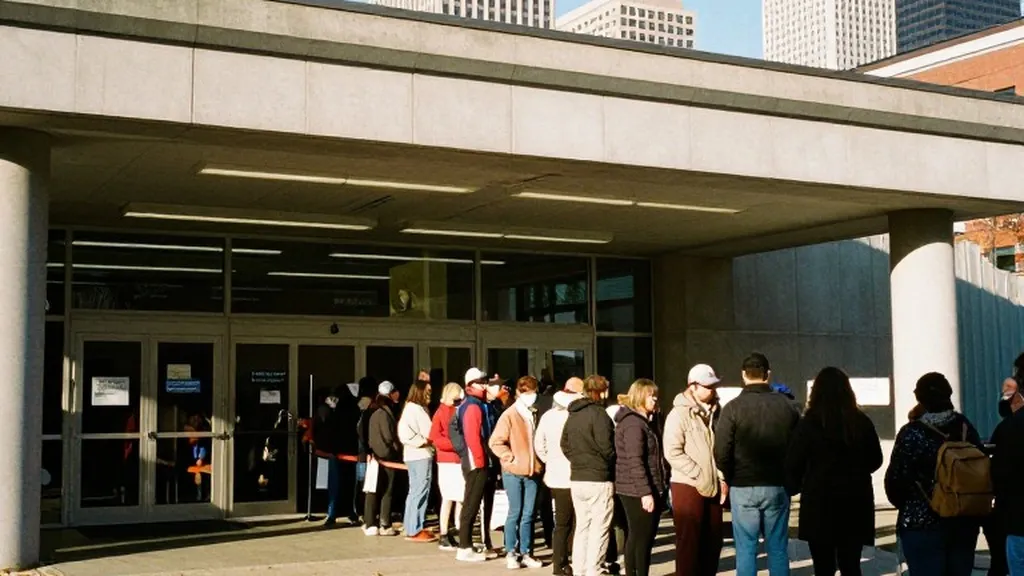
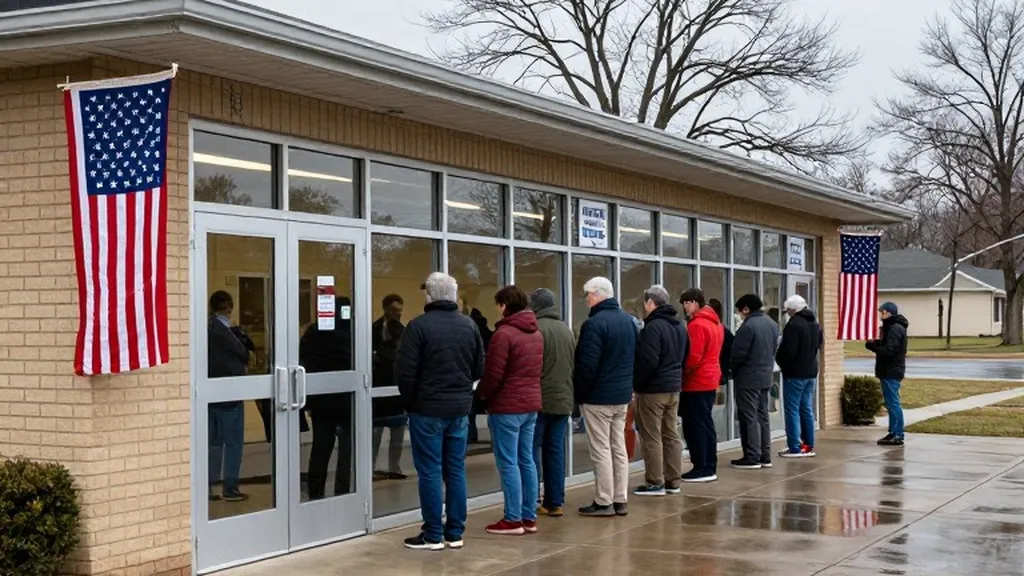
Voters in Cook County are heading to the polls on Tuesday, November 3, 2026, to decide the balance of power in the United States Congress. In Illinois, polling places are open from 6 a.m. To 7 p.m., allowing residents in Chicago, Cicero, Evanston, Arlington Heights, Skokie, and Des Plaines to cast their ballots. The state is electing a U.S. Senator in an open seat and deciding whether Governor JB Pritzker will retain his office. All U.S. House seats in the state are also on the ballot, alongside various state and local offices.
The 2026 midterm elections are shaping up to be the most expensive in American history. This financial intensity reflects the high stakes of the race, which determines control of Congress for the final two years of President Donald Trump's second term. The election is a referendum on the administration's performance, with many voters expressing concern over high prices and an unpopular war with Iran.
At the committee level, Republicans have outraised and outspent their Democratic counterparts. This advantage was bolstered by significant contributions from Trump-affiliated groups and billionaire Elon Musk. The Associated Press notes that 88.1 percent of Republican general election television ad spending was directed toward states and districts that Trump won in 2024. More than 850 million dollars of that spending went to areas where the president won by ten points or more.
In contrast, Democratic committees have been unable to match the overall fundraising and spending totals of their Republican rivals. However, at the candidate level, Democrats have outraised their opponents. This discrepancy highlights a complex financial landscape where party-level resources are flowing heavily to Republican efforts, while individual Democratic candidates have managed to secure a fundraising edge against their specific Republican challengers.
The allocation of funds has strategic implications for the national map. Republicans hold 218 seats in the House, while Democrats hold 214. Democrats need a net gain of three districts to secure a majority, whereas Republicans can lose no more than two. Ballotpedia counts 46 battleground districts in the House race. In the Senate, Republicans hold 53 seats and Democrats 45, with Democrats needing a net gain of four seats to take control. The financial resources deployed in these contests are critical to flipping these key legislative bodies.
Voters in Illinois are deciding more than just federal representation. The state is holding an open Senate race, meaning there is no incumbent seeking reelection. Governor JB Pritzker is running for reelection against Republican and independent challengers. The outcome of these races will influence the political dynamics in the Midwest, a region that has become increasingly competitive in recent years. Cook County, as the most populous county in the state, plays a pivotal role in determining the final tallies for these statewide offices.
More than 57 million people had already voted as of Monday, surpassing the early vote totals from four years ago in many closely watched states. This surge in early voting suggests high engagement among the electorate. In Illinois, residents can find their specific polling places at vote.gov. Anyone in line when polls close at 7 p.m. Is entitled to vote, ensuring that late-arriving voters are not disenfranchised.
National polling data and NORC indicates that 35 percent of U.S. Adults approve of President Trump's job performance. Only 25 percent approve of his handling of the economy. About seven in ten Americans say the country is heading in the wrong direction, and most blame the president for high prices. These sentiments are likely influencing voter behavior in swing states and districts where the financial investment in advertising has been most concentrated.
Republican National Committee Chairman Joe Gruters stated that everything depends on turnout, asserting that if they turn out their voters, they win. Conversely, Democratic Congressional Campaign Committee Chair Rep. Suzan DelBene said the American people are angry and want change. These comments reflect the strategic focus on mobilizing the base, a goal supported by the massive advertising budgets described in the spending data.
The Associated Press analysis of AdImpact data shows that the Republican committee advantage is particularly pronounced in solidly Republican areas. This strategy aims to lock in support in states that already voted for Trump in 2024, such as parts of the Midwest and Sun Belt states. Meanwhile, the Democratic candidate-level edge suggests a targeted approach to fundraising in competitive districts where individual candidates can appeal to local voters with specific messages.
As polls close in Illinois and across the country, the focus shifts to the count of ballots. The U.S. Postal Service has added hours, staff, and special lines to ensure mail ballots are counted on time. Wall Street is watching the results closely, as Reuters notes that the outcome could add to investor concerns about AI spending and debt ceiling negotiations. The financial scale of this election underscores the importance of legislative control in shaping the nation's economic and political future.
The election results will determine whether Democrats can win at least one chamber of Congress, which would likely lead to increased investigations and possible impeachment proceedings. House Democratic Leader Hakeem Jeffries has outlined a 100-day agenda focused on the cost of living and oversight if his party takes the majority. The interplay between committee spending and candidate fundraising will be a key factor in determining the final composition of the 120th Congress.